 Chef Yous
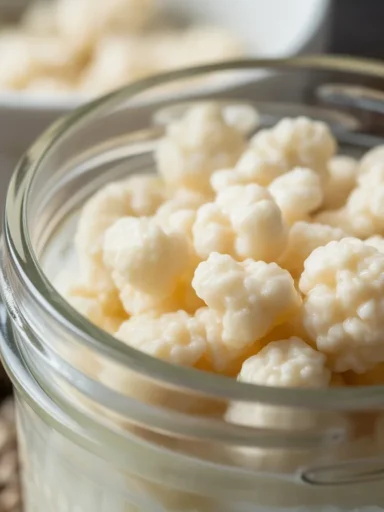
Kéfir origine. That was my big Google search one chilly October, after my neighbor handed me a mysterious jar brimming with what looked like floating cauliflower bits.
Honestly, I felt a bit awkward asking, but I needed to figure out what this “health elixir” in my fridge actually was—plus, I’d recently heard about it in a post about “the healthiest fermented drinks.
” Funny enough, that curiosity led me toward a rabbit hole of history, benefits, and a few kitchen adventures (and disasters, let’s be real).
By the way, for anyone new to fermented goodies, check out this quick overview on probiotic foods for beginners if you want a little primer first. Anyway, here’s what I found—and what I wish someone had told me back then.
Qu’est-ce que le kfir ?
So, what’s the deal with kéfir origine? Picture this: ancient mountain folk mixing up grains and milk in goat-skin bags, accidentally inventing one of the funkiest, life-giving drinks centuries ago. Sounds wild? That’s basically what happened. Kéfir is made by adding “kefir grains”—which are really weird and squishy, by the way—into milk or sugared water.
That’s it. Just leave it out at room temperature and, voilà, you get a bubbly, tangy drink in a day or so. How does it taste? Kinda tart and tangy, a little fizzy, but in a wake-up-your-taste-buds kind of way.
Oh, some folks get confused: it’s not yogurt, even though they’re kinda cousin-like. Yogurt is thick and creamy, kéfir is more drinkable. In France, you’ll see it in supermarkets next to the kombucha section, and sometimes it’s labeled with its old name, “lait fermenté.”
I love having it around. Sometimes I mess it up, though—the grains are surprisingly delicate and need some TLC.
Ses nombreux bienfaits
If you’re into health stuff (or your gut is moody some days), get this: kéfir has a laundry list of benefits. It’s famous for its probiotics, which are the “good” bacteria your tummy dances for. People claim it helps with digestion, immunity, skin glow—heck, some even say their allergies eased up.
Now, let’s be real. Does kéfir make you immortal? Nope. But small, steady benefits seem real for a lot of people:
- Easy on digestion (even for lactose-intolerant folks, sometimes!)
- Might nudge your immune system along
- Packed with vitamins and minerals
- Tasty swap for regular milk, if you’re bored
Best part? You don’t need a five-star kitchen or fancy gadgets—I started with a mason jar and a spoon. Worth a try if you’re curious or desperate for less rocky digestion.
Kéfir Origine
Le kfir de lait
Now let’s talk about milk kéfir (my original disaster, because who knew grains could multiply so fast?). Making it is easy: plop your kéfir grains into milk—full fat, skim, goat, whatever you’ve got. Give it time to sit out, and watch the magic happen.
After about 24 hours, it gets thick-ish and tangy. Strain out the grains, and what you’re left with is creamy, zippy goodness. Goes great over cereal or in smoothies.
What surprised me most? Milk kéfir comes out different every single batch. Sometimes it’s bubbly, sometimes milder, sometimes sort of chunky (don’t panic, that’s normal).
Pro tip: don’t use metal strainers! Kéfir grains are fussy about metal. And they’ll multiply so fast you’ll be offering them to every friend, neighbor, and random cat.
If you want your stuff to taste less sour, pull it out sooner. For a real punch, let it ferment a little longer. It’s honestly a bit of an experiment, but you really can’t get it too wrong.
Kéfir Origine
Le kfir de fruit
For the dairy-avoiders or just anyone up for new tastes, fruit kéfir is where things get fun. Instead of milk, use sugary water—think a mix of filtered water, a spoon of sugar, and maybe a wedge of lemon or a handful of dried fruit. Toss in your special “water kefir grains.”
In about a day, you’ve got a lightly sparkling, fruity drink. Sometimes it’s almost like a homemade soda, minus the weird chemicals. Kids love it—my niece calls it “magic juice.”
Flavors? Totally up to you. Drop in ginger for zing, berries for color, or go exotic with dried figs (just don’t ask me to explain what they do, it just tastes awesome). Downside? The grains for water kéfir and milk kéfir are NOT interchangeable, so don’t swap them.

Quick tip: taste as you go. Too sweet? Let it brew more. Too tangy? Pull it sooner. First few times can be weird, but after a week you’ll be hooked. And hey, once my batch exploded on the counter—so keep an eye out.
Propriétés et effets recherchés
Here’s the scoop: most folks turn to kéfir for its “properties.” We’re talking live cultures, friendly yeasts, and a solid hit of vitamins—B12, K2, calcium, magnesium, all the gang. The magic comes from the diversity of microbes in each gulp.
Loads of people online claim improved mood, calmer tummies, even prettier skin. Some doctors say it may help rebalance gut flora if you’ve been on antibiotics or eaten way too much junk food (guilty as charged last holiday season).
To be honest, I noticed my stomach felt less sluggish, and I haven’t caught every sniffle floating around school lately, but maybe that’s just luck? If you’re cautious, start small—like a few spoonfuls a day—since it can kickstart your system fast.
“I was skeptical at first, but after just a week of incorporating kéfir into my breakfasts, my digestion smoothed right out. It’s been a total game-changer for my mornings!” – Emma L.
Kéfir Origine
A final tip: always make sure you’re using clean jars, and introduce it slowly. Even “good bacteria” can surprise you!
If you’re just dipping your toes in kéfir waters (or, uh, milks), hope my tale clears up a bit of mystery. Want to read more on the history, making process, and real talk about what kéfir can do for your gut? I highly recommend scrolling this resource, they’ve got the details and then some: Le kéfir : origine, fabrication et bienfaits – Anatae.
Give it a whirl—and let me know if you’re now hooked (or horrified) by your first bubbly batch. It’s not a fancy-life drink, but it sure spices up your breakfast.
Kéfir Origine
Print
Kéfir
- Total Time: 1445 minutes
- Yield: 1 serving of milk kéfir or fruit kéfir
- Diet: Vegetarian
Description
A refreshing and tangy fermented drink made from kéfir grains, easy to prepare at home with simple ingredients.
Ingredients
- Kéfir grains
- Milk (full fat, skim, goat, or your choice)
- Sugared water (for fruit kéfir)
- Sugar (to taste)
- Lemon wedge or dried fruit (optional for flavor)
Instructions
- For milk kéfir, add the kéfir grains to your chosen milk in a clean jar.
- Let it sit at room temperature for about 24 hours.
- Strain out the grains to enjoy the kéfir drink.
- For fruit kéfir, mix filtered water with sugar and add flavoring like lemon or dried fruit.
- Introduce the water kefir grains and allow to ferment for about a day.
- Taste and adjust the brewing time according to your preference for sweetness or tanginess.
Notes
Avoid using metal utensils with kéfir grains. The grains can multiply quickly, so be prepared to share with friends!
- Prep Time: 5 minutes
- Cook Time: 1440 minutes
- Category: Beverage
- Method: Fermenting
- Cuisine: Fermented
Nutrition
- Serving Size: 1 cup
- Calories: 150
- Sugar: 10g
- Sodium: 100mg
- Fat: 8g
- Saturated Fat: 5g
- Unsaturated Fat: 2g
- Trans Fat: 0g
- Carbohydrates: 12g
- Fiber: 0g
- Protein: 8g
- Cholesterol: 30mg