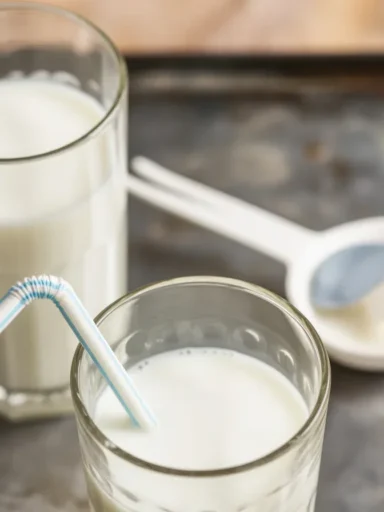
 Chef Yous
Ever hit that weird after-dinner wall and thought, “Man, I wish I had something that’s good for my gut but also doesn’t taste like lawn clippings”? That’s me about every other night, and I used to think the only option was boring yogurt. Enter kefir. Let’s start with the history of kefir. Trust me, there’s more to this tangy drink than just being the “pricey bottle on the top shelf”.
History of Kefir
I first got obsessed with it when a friend dropped off a jar during a random Tuesday night hang—she raved about the 11 ways to use kefir, but honestly, I just felt way too curious to not dig in.
Origin and etymology
So, where exactly did kefir come from? Picture winding mountain valleys in the Caucasus region. Centuries back (some say over a thousand years ago, not kidding), shepherds in what’s now Russia, Georgia, and surrounding lands stumbled onto kefir when storing milk in animal-hide bags. Apparently, those bags made a perfect home for wild yeast and bacteria. Sounds kind of gross, but honestly, that’s real food history for you.
The word “kefir” itself? It’s believed to come from the Turkish word ‘keyif’, which means “good feeling”. That makes total sense once you start drinking the stuff—gut happy, mood happy. Cultures in the region kept the tradition pretty secret; legend says the grains were “magical gifts”.
Sherlock Holmes would have lost sleep trying to crack that code. Fast forward, and now folks around the world (including me, your regular next-door kefir pusher) make it in kitchens every day.
“I started making kefir because my grandma swore it fixed her stomach… Now, I can’t go a week without it. No other fermented food tastes the same, and my belly actually, finally, feels chill.” – actual text from my cousin, Candice
History of Kefir
Fermentation and kefir grain formation
Now, let’s chat about how kefir happens. It’s not some complicated science wizardry. Kefir grains—not actual grains like wheat, by the way—look like tiny cauliflower clusters. They’re alive. Not, like, jumping-out-of-the-jar alive, but packed with a mix of bacteria and yeast that work together in bubbly harmony.
You plop those grains in milk, let them do their thing at room temp, and bam—the milk thickens and gets tangy. The magic’s in how the microbes team up to eat the milk sugars. Over a day or so, the grains multiply and transform regular old milk into this super drink. Seriously, I’ve done it on my counter with accidentally questionable milk and it still works out just fine.
What’s wild is that nobody has ever made new kefir grains from scratch—they’re passed along, person to person, like old school sourdough starter’s funky cousin. That adds a little “grandma would approve” charm if you ask me. Give those grains love (and milk), and they’ll keep kicking forever.
History of Kefir
Nutrition “History of Kefir”
Alright, time to answer the “Is this stuff actually good for you?” question. Quick answer: oh, absolutely—at least that’s what both science and my experience say. Kefir’s got more than yogurt’s usual lineup.
Because of the intense fermentation, it’s positively crammed with probiotics (aka friendly bacteria). These little guys are absolute legends for helping digestion and even calming down grumpy guts. For me, after I swapped out my nightly ice cream for a kefir smoothie, let’s just say my stomach went from chaotic circus to calm Sunday market.
History of Kefir
But there’s more. Kefir also gives you a solid shot of:
- Protein (building blocks, yay)
- B vitamins (feel-good energy boost)
- Calcium (bones, baby)
- Even a bit of natural fizz, sometimes
Some folks say it helps with lactose intolerance since fermentation eats up a lot of the milk sugar. I’m not promising it’s magic, but it’s more forgiving on my dairy-sensitive friends. If you’re on the fence, try small sips first. That’s what I told my neighbor Tom, and now he adds it to his cereal instead of milk. (Honestly, genius.)
History of Kefir
Production
So, how do you actually make kefir at home? You’ll need just two things: kefir grains (better if you can borrow from a friend, because they multiply like crazy) and any milk you like. Pour about a tablespoon of grains into two cups of milk.
Stick a breathable cloth over the jar (trust me on this one, don’t use a tight lid or it could pop), leave it out on the counter for a day-ish, then strain out the grains. What’s left? Creamy, tangy kefir—ready to drink or use however you want.
The biggest tip I can give? Don’t freak out if it separates into curds and whey. Just give it a shake or stir. If it smells like sour yogurt, you’re golden. Sometimes, my first batch tasted too tart because I left it out too long, but honestly, it was still good in smoothies.
Oh, and those grains will keep growing. Pass ‘em to your neighbor, your cousin, the random guy in line at the farmer’s market. Keep the kefir karma going.
History of Kefir
Culinary
Now, onto the real fun—how to actually eat (and love) kefir every day. Some folks drink it straight (my cousin swears by it). I’m more of a recipe person. Pour it in a smoothie with bananas and berries, or use it in pancakes if you’re feeling adventurous.
Heck, I even poured it over overnight oats last week—wow. Here’s the thing: it adds a zippy boost anywhere you’d use yogurt or buttermilk. Oh, pro tip, try these delicious vanilla blueberry kefir overnight oats next time, and thank me later.
Let’s make it simple with a few serving suggestions:
- As a tangy base for morning smoothies. Seriously wakes you up.
- Swipe it onto toast in place of cream cheese. Unexpected but good.
- Mix into cold soups or salad dressing when it’s just too darn hot out.
- Pour over fruit and granola for the easiest “five-star restaurant” breakfast (at least, in my kitchen).
It’s just super practical, and if you’re quick, you’ll never get bored.
History of Kefir
Final thoughts (and let’s get a bit nerdy)
So, if you’re keen on improving your gut with something that has a real backstory plus actual flavor, kefir’s where it’s at. It’s easy to make, loaded with the good stuff, and totally versatile. Plus, there are loads of cool ways to explore other recipes too—check out ideas like blueberry kefir smoothie if you want to shake up your breakfast game.
If you want to nerd out further, there’s a super interesting breakdown on The Fascinating History of Milk Kefir — Raw Milk Institute that digs even deeper into those mysterious grains and their legendary journey.
History of Kefir
Give it a go, share your grains, and just remember—if you’ve got a jar and some milk, you’re halfway there.

Homemade Kefir
- Total Time: 1445 minutes
- Yield: 2 cups 1x
- Diet: Gluten Free, Vegetarian
Description
A tangy and probiotic-rich drink that’s easy to make at home.
Ingredients
- 1 tablespoon kefir grains
- 2 cups milk (any kind)
Instructions
- Pour 1 tablespoon of kefir grains into 2 cups of milk.
- Cover the jar with a breathable cloth.
- Leave it at room temperature for about 24 hours.
- Strain out the grains and enjoy your homemade kefir.
- If it separates, stir or shake gently.
Notes
Kefir grains multiply quickly, so share them with friends once you have enough!
- Prep Time: 5 minutes
- Cook Time: 1440 minutes
- Category: Beverage
- Method: Fermenting
- Cuisine: Caucasian
Nutrition
- Serving Size: 1 cup
- Calories: 100
- Sugar: 8g
- Sodium: 120mg
- Fat: 5g
- Saturated Fat: 3g
- Unsaturated Fat: 2g
- Trans Fat: 0g
- Carbohydrates: 8g
- Fiber: 0g
- Protein: 6g
- Cholesterol: 20mg