 Chef Yous
Traditional kefir Caucasus always gets people talking. Everybody wants to know why their store-bought kefir tastes so… well, bland. If you’ve ever stared at that humble bottle and thought, “Am I missing something?” you’re in the right place.
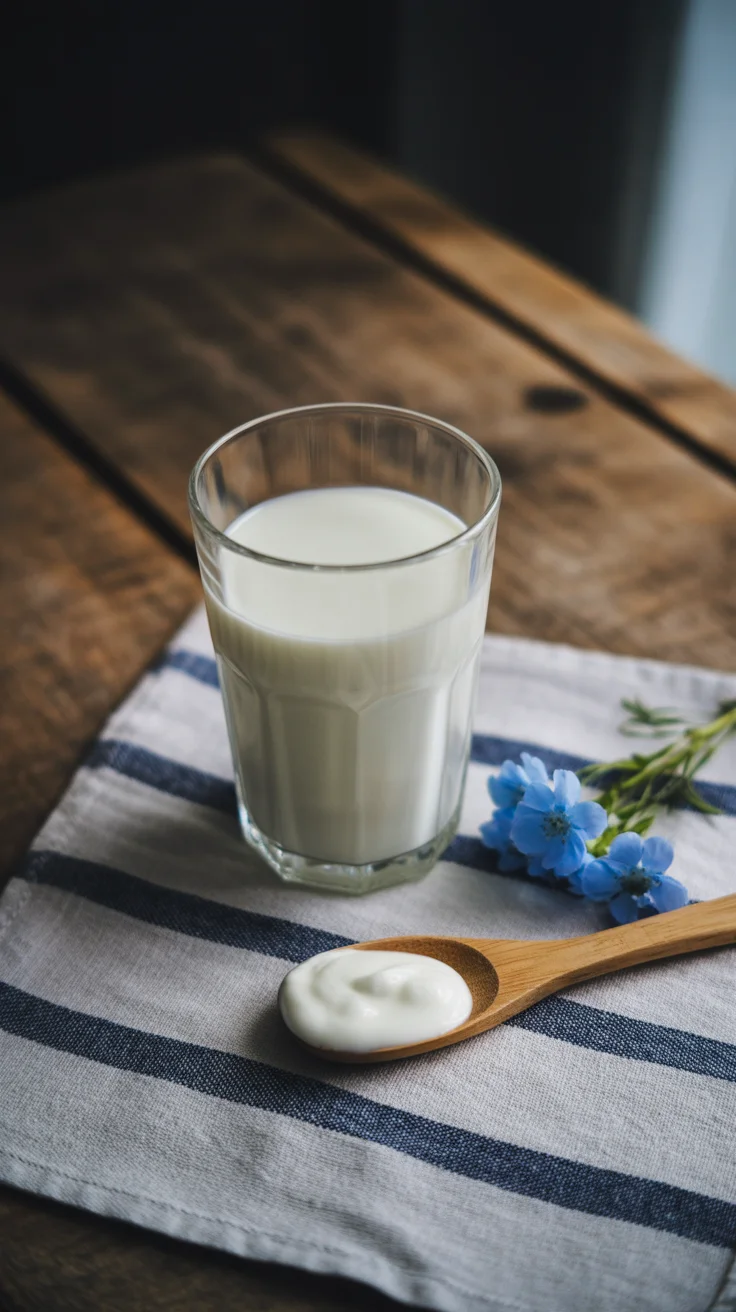
I guarantee you, once you learn about real kefir, you’ll never look at those tubs the same way. By the way, before you dive into this whole kefir world, maybe check out these 12 kefir recipes for breakfast if you want to see just how useful this creamy drink can be.
Origin and Etymology
Let me tell ya, the story of traditional kefir Caucasus is way bigger than most folks think. This drink, with its quiet tang and magical fizz, actually comes from the Caucasus mountains. That’s a stretch of breathtaking landscape squeezed between Russia and Georgia, where biting cold is no joke.
People say “kefir” comes from the Turkish word “keyif,” which means “good feeling.” Makes sense, right? Because real kefir delivers this odd happy, bubbly feeling after a glass or two. For generations, families in the mountains guarded their kefir grains like treasure.
Some legends are a little wild—stories about secrets, whispered in kitchens, and strange rituals to keep their grains healthy. I have to say, their loyalty to this fizzy drink is part of the reason it’s still around.
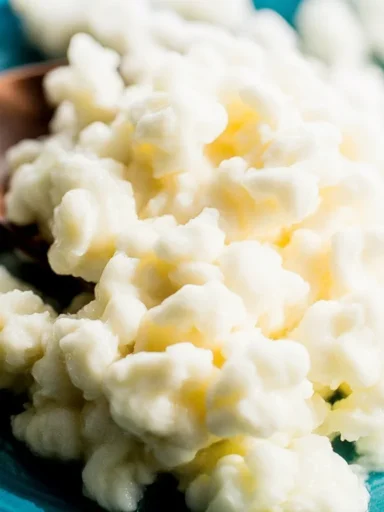
These grains (honestly, they look like soft cauliflower bits) can be traced, by tradition, all the way back to shepherds. Picture it: leather pouches swinging off a horse’s saddle, with milk patiently fermenting as the shepherd rides. It’s a charming thought… maybe a little funky, but charming. I can totally imagine those first sips—warm, homemade, slightly tangy kefir, long before anyone was worried about calories or probiotics.
“Once I tried homemade kefir while traveling through the Caucasus, I just couldn’t go back to anything from the supermarket. It’s like the taste snaps you awake. You remember what real food is supposed to be.”
– Marcus, reader comment
Traditional kefir Caucasus
Fermentation and Kefir Grain Formation
Alright, so what’s the real kicker with traditional kefir Caucasus? It’s these wild, living clumps called kefir grains. Not really grains, by the way—more like friendly blobs that work their magic with milk. You just add them to milk, leave the mix out, and let nature do the work. No fancy tech, no secret powders. Just patience and a cozy kitchen spot.
What happens is totally fascinating. Inside those grains, yeasts and bacteria do a little dance. They eat up the sugars in milk and turn it into something tangy, sometimes fizzy, and loaded with good stuff for your belly. The texture? Often a teensy bit thicker than milk—honestly, I love when it’s a little chunky, but maybe you don’t, and that’s fine. You get this naturally carbonated drink. (Yes, it burps at you if you bottle it tight. First time, I jumped a mile. Felt like a science experiment gone mad.)
Nobody really knows how kefir grains first came to be. You can’t just make them from scratch in a lab; they only grow from other grains, shared from one kitchen to the next. Like sourdough’s wild cousin.
Traditional kefir Caucasus
Nutrition
I’ve heard folks call traditional kefir Caucasus a probiotic powerhouse, and I couldn’t agree more. The first thing that always shocks people? It’s got billions of live bacteria and yeasts. Yep, billions—no exaggeration. This isn’t just healthy talk, it’s the real stuff that does wonders for your guts.
But there’s more. Kefir gives you protein to keep you full way longer than you’d think. It’s full of calcium, too, which makes it killer for bones (love that). Plus B vitamins and vitamin K2, which I honestly never paid attention to, but apparently are seriously good for your heart and brain. If you’re lactose intolerant, here’s a happy accident: traditional kefir Caucasus has way less lactose because the grains munch up most of it.
Some folks—myself included—swear this drink helps with digestion, clears up skin, and stops weird belly issues dead in their tracks. Is that medically proven? Eh, research is still growing, but I’m a believer based on pure stubborn experience.
Traditional kefir Caucasus
Production
Okay, let’s talk real world. Making traditional kefir Caucasus isn’t complicated, but it does take a dash of patience. You mix the grains with milk (any milk, honestly—not just cow, but goat, even sheep if that’s your thing)… pop them into a jar, cover loosely, and let it sit at room temp.
After a day or so, you’ll see the milk thicken and smell kinda sour—don’t panic, that’s good. Strain out the grains and save them for next time. That’s it. No chef’s hat needed.
What matters is temperature and time. My first batch, I got nervous and checked it every hour (rookie move; don’t bother). For a lighter flavor, two days works. If you want it ultra tangy, stretch it longer. The great thing? Those grains keep working for years if you take care of them. Never buy new ones, just pass them on, like a plant cutting from your grandma.
The taste is a little wild sometimes, which keeps things lively. Raw milk gives it a grassy, fresh edge. Pasteurized is smoother. There’s room for personal flair—some folks even throw in dried fruits or leave it out longer for extra fizz.
Traditional kefir Caucasus
Culinary
What can you actually do with this stuff? Oh, buddy, don’t get me started. Traditional kefir Caucasus isn’t just for drinking, though a glass cold from the fridge on a sticky day—bliss. Let me toss out a few favorite ways to use it.
- Pour over oats or granola for a tangy breakfast twist.
- Blend into smoothies, like this banana berry kefir smoothie that’ll ruin supermarket yogurt for you forever.
- Use in salad dressings, giving them that zing.
- Sub for buttermilk in pancakes, for fluff like you wouldn’t believe.
Here’s the lowdown: you can sneak it into baking, marinate chicken (seriously, try it), or just guzzle it after a big meal. The zingy edge wakes up lazy taste buds. I’ve even seen folks use it in cold soups in the summer—refreshing and different.
Trust me: if you’re just starting, stick to pouring it over fruit or cereal. No need to get fancy. Step by step, right?

Oh—before you run off, if you’re curious about how kefir actually fits into food history, check out The Fascinating History of Milk Kefir — Raw Milk Institute. And if you want breakfast ideas you’ll crave (not kidding), maybe start with blueberry kefir smoothie or even something like delicious vanilla blueberry kefir overnight oats for a change.
It’s all about getting a little more traditional kefir Caucasus into your morning. Your taste buds’ll thank you.
Traditional kefir Caucasus
Print
Traditional Kefir Caucasus
- Total Time: 1445 minutes
- Yield: 4 servings 1x
- Diet: Vegetarian
Description
Experience the vibrant and tangy flavor of traditional kefir from the Caucasus, a probiotic powerhouse that’s easy to make at home.
Ingredients
- 1 cup kefir grains
- 4 cups milk (cow, goat, or sheep)
Instructions
- Add kefir grains to milk in a glass jar.
- Cover the jar loosely and let it sit at room temperature for 24-48 hours.
- Once thickened and slightly sour, strain out the kefir grains.
- Store the kefir in the refrigerator and use the grains for your next batch.
Notes
Kefir grains can be reused indefinitely if cared for properly. Experiment with fermentation time for desired tanginess.
- Prep Time: 5 minutes
- Cook Time: 1440 minutes
- Category: Drink
- Method: Fermentation
- Cuisine: Caucasian
Nutrition
- Serving Size: 1 cup
- Calories: 150
- Sugar: 8g
- Sodium: 100mg
- Fat: 8g
- Saturated Fat: 5g
- Unsaturated Fat: 2g
- Trans Fat: 0g
- Carbohydrates: 10g
- Fiber: 0g
- Protein: 8g
- Cholesterol: 25mg