 Chef Yous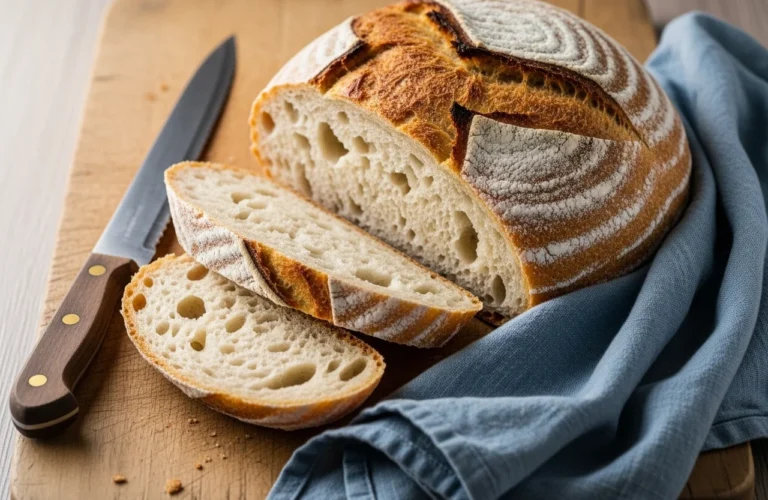
Welcome, fellow food lovers and culinary adventurers! Here at KefirCooking, we believe that food should not only be delicious but also nourish your body and soul. Today, we’re diving deep into a truly special creation that perfectly embodies this philosophy: sourdough kefir bread.
This isn’t just any bread; it’s a wonderfully fermented delight that brings together the best of two ancient traditions, offering incredible benefits for your gut health and overall well-being.
Get ready to explore the magic of this unique bread and discover how you can bring its wholesome goodness into your kitchen. Learning to make sourdough kefir bread is a rewarding journey, and we’re thrilled to guide you every step of the way.
What is Sourdough Kefir Bread and why is it a unique fermented delight?
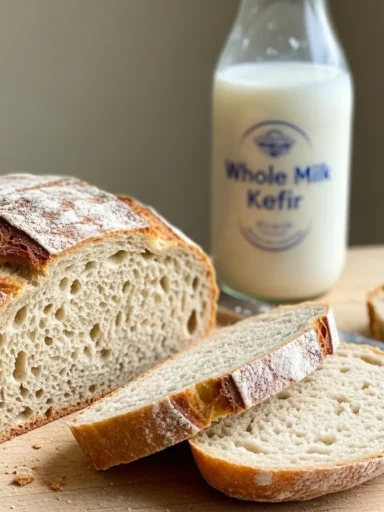
Sourdough kefir bread is a masterful fusion of two powerful fermentation processes: traditional sourdough starter and the probiotic richness of kefir. Unlike regular bread, which often relies solely on commercial yeast, this unique bread leverages the wild yeasts and bacteria present in a sourdough starter, combined with the diverse microbial cultures found in kefir grains.
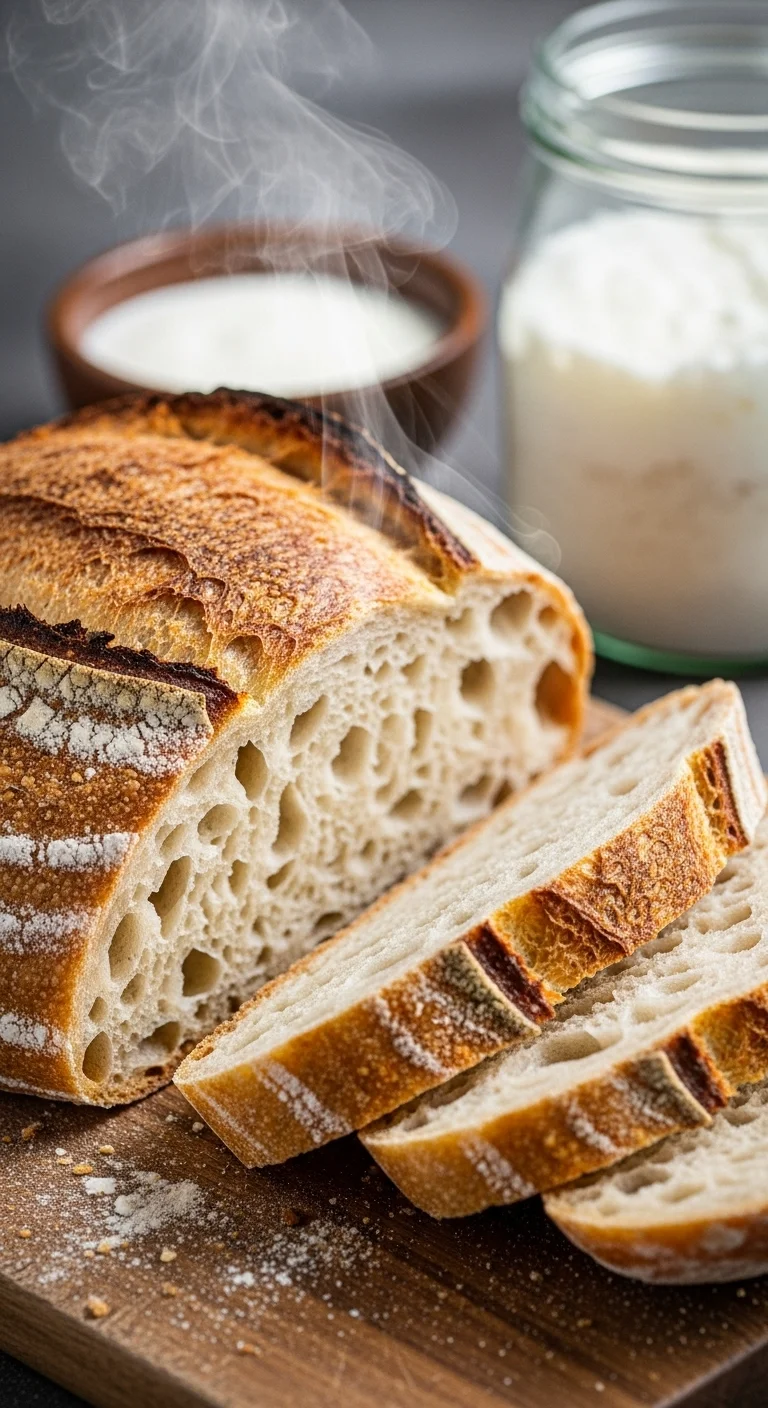
The result is a bread that’s not only incredibly flavorful with a characteristic tangy depth but also packed with beneficial microorganisms. Every slice of sourdough kefir bread offers a complex flavor profile and a texture that ranges from delightfully chewy to wonderfully airy, depending on its preparation.
The uniqueness of sourdough kefir bread stems from this dual fermentation. Sourdough fermentation breaks down complex carbohydrates and gluten, making the bread easier to digest, while kefir adds an extra layer of probiotic power.
This combination creates a bread with enhanced nutritional value and a distinct taste that sets it apart from other baked goods. Preparing sourdough kefir bread is a rewarding process that connects you to ancient culinary practices, transforming simple ingredients into something extraordinary. This type of fermented bread benefits your body in ways that commercially produced breads simply cannot.
What are the incredible health benefits of combining sourdough and kefir?
The health advantages of incorporating sourdough kefir bread into your diet are truly remarkable, primarily centered around its powerful impact on gut health. The long fermentation process of sourdough helps to predigest starches and break down gluten, which can make this bread more tolerable for individuals sensitive to gluten, though it’s not gluten-free
. This enhanced digestibility is a key benefit of sourdough health benefits. Furthermore, the beneficial bacteria and yeasts from the sourdough starter contribute to a more diverse and robust gut microbiome.
When you introduce kefir into the mix, these benefits are amplified. Kefir, made from kefir grains, is a potent source of probiotics, including various strains of bacteria and yeasts that are known to support digestive health and boost the immune system.
The combination in sourdough kefir bread means you’re getting a double dose of these gut-friendly microbes. Eating probiotic bread recipes like this can help maintain a healthy balance of flora in your intestines, which is crucial for nutrient absorption and overall well-being. “A healthy gut is the foundation of a healthy body,” as many nutrition experts often say, and sourdough kefir bread is a delicious way to support that foundation.
Research consistently highlights the positive effects of fermented foods on human health, with studies showing improvements in digestion and immune function from regular consumption of items like sourdough kefir bread Harvard Health Publishing. This makes sourdough kefir bread a true gut health bread.
How do you master the art of making sourdough kefir bread from scratch?
Mastering sourdough kefir bread from scratch is a rewarding journey that begins with a healthy sourdough starter and active kefir grains. First, you’ll need to prepare your kefir starter dough. This involves feeding your sourdough starter as usual, but then incorporating a portion of active milk kefir (or water kefir, depending on your preference) into the dough mixture instead of just water.
The ratio is crucial, often replacing some of the water in a traditional sourdough recipe with kefir. This step infuses your dough with the beneficial microbes from kefir, setting the stage for a unique fermentation.
After combining your refreshed sourdough starter with flour, salt, and the kefir, you’ll engage in a series of gentle folds over several hours, allowing the dough to develop strength and flavor. This bulk fermentation is where the magic truly happens for your sourdough kefir bread, as the yeasts and bacteria get to work.
Following this, the dough is shaped and undergoes a cold proof in the refrigerator, which further enhances its flavor and digestibility. Baking your sourdough kefir bread typically involves a very hot oven, often in a Dutch oven, to achieve that perfect crust and airy interior. Don’t be afraid to experiment with your kefir grains baking process; every baker finds their own rhythm and preferred techniques for this delicious sourdough kefir bread.
What common challenges might you face and how can you troubleshoot your sourdough kefir bake?
Embarking on the journey of making sourdough kefir bread can present a few common hurdles, but with a little understanding, they are easily overcome. One frequent challenge is getting the right dough consistency. Because kefir adds moisture and acidity, your sourdough kefir bread dough might feel stickier than a standard sourdough.
If your dough is too wet, try slightly reducing the amount of kefir in your next bake or adding a touch more flour during the initial mixing phase. Remember, the goal is a supple, elastic dough that’s manageable.
Another common issue can be a lack of rise in your sourdough kefir bread. This often points to an inactive starter or kefir. Ensure both your sourdough starter and your kefir grains are vibrant and active before you begin. A strong, bubbly sourdough starter is key, as is fresh, potent kefir.
If your bread is dense, it might also be under-proofed. Give your sourdough kefir bread more time during bulk fermentation or cold proofing, especially in cooler environments. Learning to read your dough’s cues – its texture, smell, and how it responds to touch – is vital for troubleshooting your sourdough kefir bread and achieving perfect results. Don’t be discouraged; every bake is a learning experience, and easy sourdough kefir will come with practice.
How can you best enjoy and incorporate sourdough kefir bread into your daily diet?
Sourdough kefir bread is incredibly versatile and can elevate almost any meal. Its unique tangy flavor and delightful texture make it perfect for simple pleasures or gourmet creations. For breakfast, a slice of toasted sourdough kefir bread with avocado and a sprinkle of everything bagel seasoning is a fantastic way to start the day.
You can also enjoy it with your favorite fruit preserves or a drizzle of local honey, savoring the subtle notes that only this fermented bread can offer. The robust flavor of sourdough kefir bread also stands up wonderfully to savory toppings.
Beyond breakfast, sourdough kefir bread makes an excellent base for open-faced sandwiches or a hearty accompaniment to soups and stews. Imagine dipping a piece of this gut health bread into a rich tomato soup – pure comfort! It also pairs beautifully with cheese and charcuterie, making it a sophisticated addition to any gathering.
Don’t forget, you can even use stale sourdough kefir bread to make croutons for salads or breadcrumbs for cooking, ensuring no delicious crumb goes to waste. Incorporating sourdough kefir bread into your daily diet is an easy and delicious way to boost your probiotic intake and enjoy truly wholesome food.
Key Takeaways
- Sourdough kefir bread combines the benefits of sourdough and kefir for enhanced gut health.
- It offers improved digestibility and a rich probiotic profile due to dual fermentation.
- Making sourdough kefir bread involves using an active sourdough starter and incorporating kefir into the dough.
- Common challenges like dough consistency and lack of rise can be troubleshot by adjusting moisture and ensuring active cultures.
- Sourdough kefir bread is versatile, perfect for breakfast, sandwiches, or as an accompaniment to various meals, making it an excellent gut health bread option.
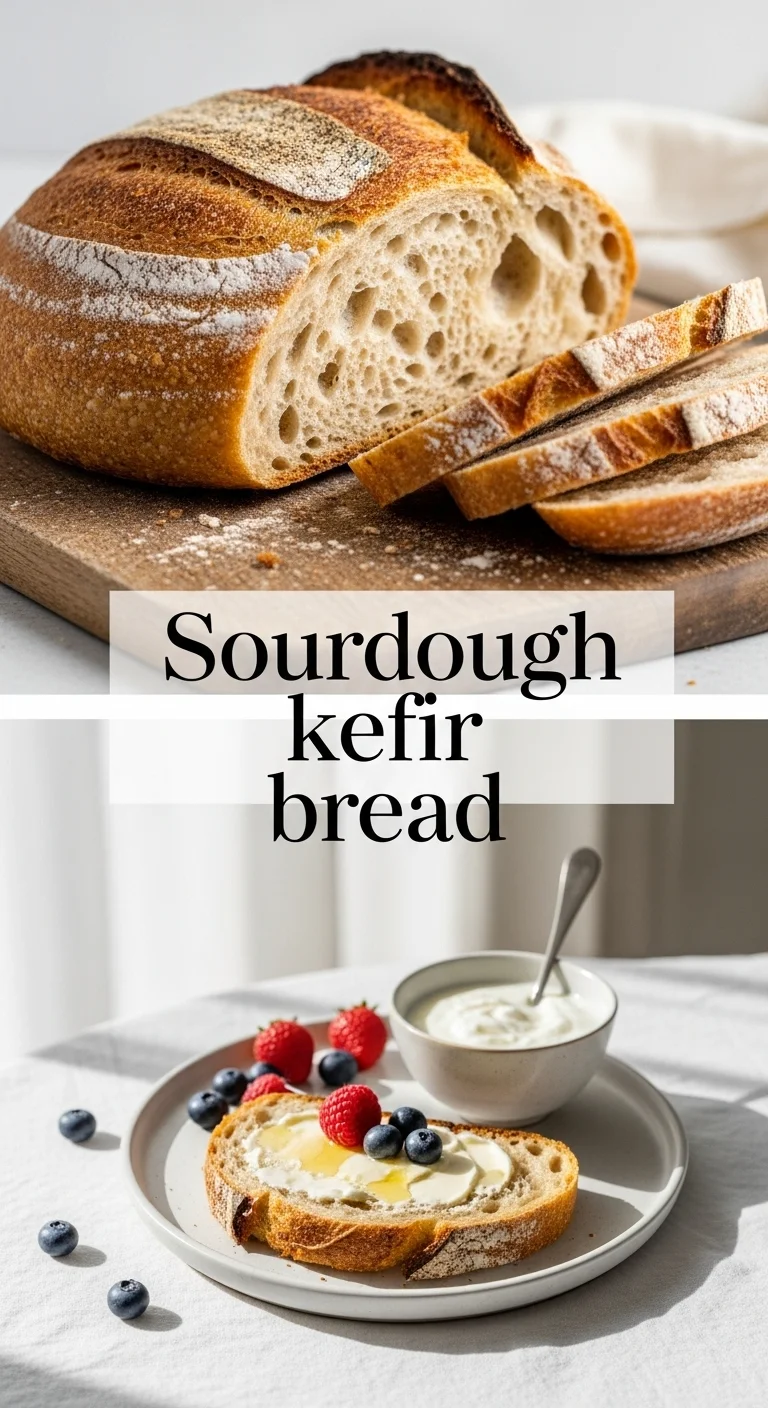

Sourdough Kefir Bread
- Total Time: 60 minutes
- Yield: 1 loaf 1x
- Diet: Vegetarian
Description
A unique fusion of sourdough and kefir that enhances gut health and offers a tangy flavor.
Ingredients
- 1 cup active sourdough starter
- 1 cup milk kefir (or water kefir)
- 3 cups all-purpose flour
- 1 teaspoon salt
- Additional flour for dusting
Instructions
- Feed your sourdough starter to ensure it is active.
- Mix the active starter with kefir, flour, and salt until well combined.
- Engage in a series of gentle folds to develop strength over several hours.
- Shape the dough and allow it to cold proof in the refrigerator.
- Bake in a hot oven, preferably in a Dutch oven for a perfect crust.
Notes
Adjust the moisture levels if the dough is too sticky, and ensure both the starter and kefir are active for best results.
- Prep Time: 15 minutes
- Cook Time: 45 minutes
- Category: Bread
- Method: Baking
- Cuisine: Fermented
Nutrition
- Serving Size: 1 slice
- Calories: 180
- Sugar: 1g
- Sodium: 200mg
- Fat: 2g
- Saturated Fat: 1g
- Unsaturated Fat: 1g
- Trans Fat: 0g
- Carbohydrates: 34g
- Fiber: 2g
- Protein: 6g
- Cholesterol: 5mg