 Chef Yous
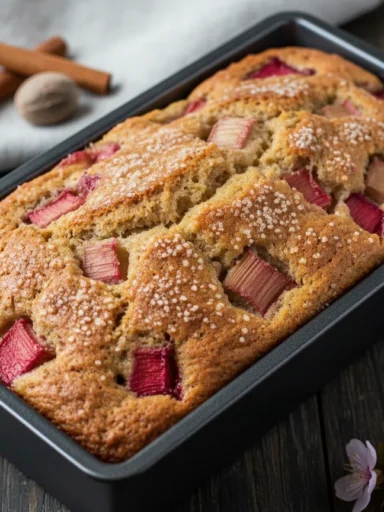
Rhubarb bread with buttermilk is the absolute best way to celebrate the arrival of spring, bringing a vibrant tang that wakes up your palate after a long winter. I remember being a young boy in my grandmother’s kitchen, watching her chop those bright pink stalks, and I’ve been obsessed with that tart-sweet combination ever since.
Here at KefirCooking, we are passionate about blending tradition with gut-friendly ingredients, and while we often sing the praises of kefir, we also know that traditional fermented dairy like buttermilk is a powerhouse for baking. Making a homemade rhubarb bread with buttermilk allows you to create a treat that is tender, flavorful, and deeply comforting for breakfast or a midday snack.
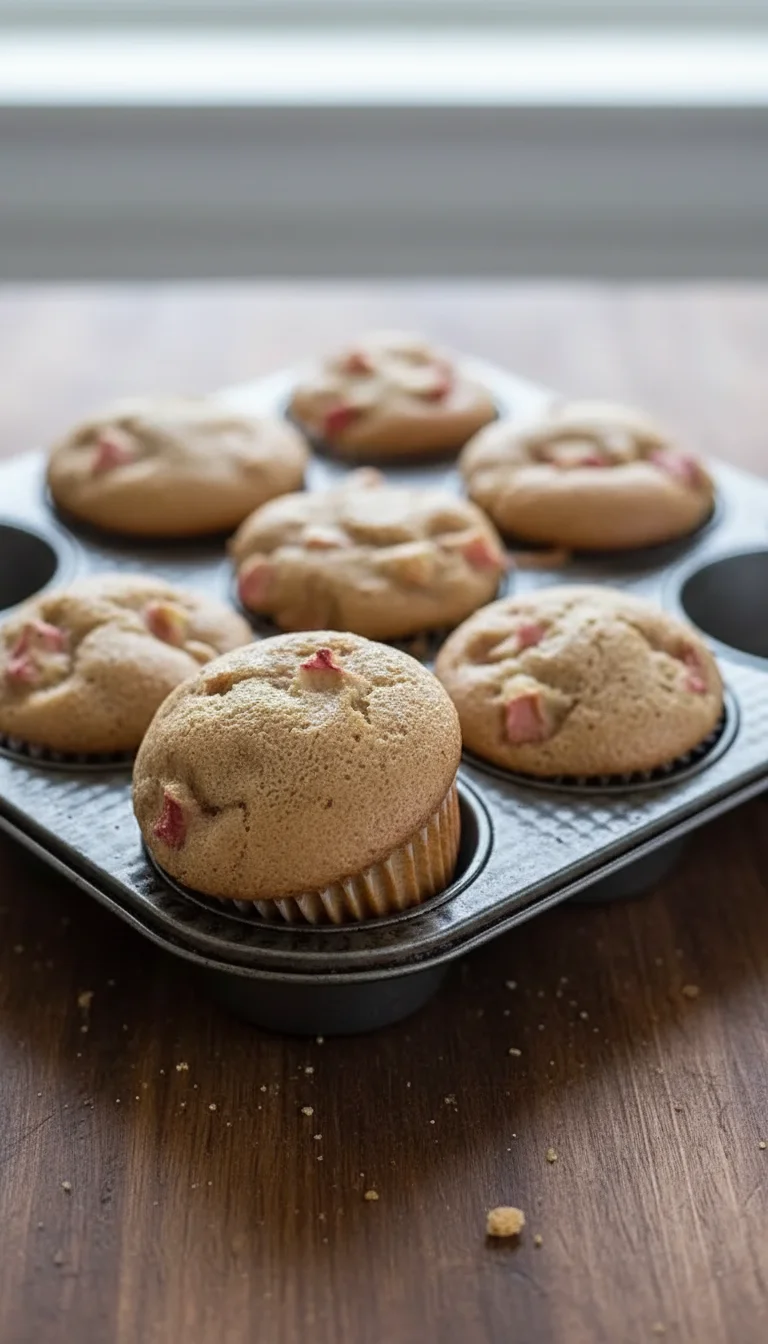
Key Takeaways
- Acid is Key: Buttermilk reacts with baking soda for a superior rise and tender crumb.
- Balance: Sweet toppings and spices counteract rhubarb’s natural tartness.
- Texture: Oil often yields a moister loaf than butter in quick breads.
- Customization: Nuts and zests elevate the simple flavor profile.
Why is buttermilk the secret ingredient for the perfect rhubarb bread?
The Science of Acidity and Lift
When you set out to bake rhubarb bread with buttermilk, you are utilizing a bit of kitchen chemistry that ensures your loaf isn’t a dense brick. The acidity in the buttermilk reacts vigorously with the baking soda in your batter, creating carbon dioxide bubbles that give the bread a magnificent lift. Unlike regular milk, using buttermilk in your rhubarb bread with kefir or buttermilk recipes ensures a lighter, airier structure that we all crave.
Creating That Tender Crumb
There is nothing worse than a dry quick bread, which is why I always recommend making rhubarb bread with buttermilk for that melt-in-your-mouth texture. The acid in the buttermilk actually breaks down long strands of gluten, preventing the loaf from becoming tough or rubbery during the mixing process. If you want a slice that feels like a warm hug, sticking to a recipe for rhubarb bread with buttermilk is your safest bet for tenderness.
Buttermilk vs. Regular Milk
While you might be tempted to just use the milk sitting in your fridge door, a true rhubarb bread with buttermilk has a depth of flavor that plain milk just can’t achieve. That subtle tanginess mirrors the tartness of the rhubarb, creating a symphony of flavors—oops, I mean a delicious harmony—that makes the sweetness of the sugar pop. We love experimenting with fermented dairy, so if you enjoy this, you should definitely check out our variations on rhubarb bread with buttermilk.
“Cooking is about connection, and using ingredients like buttermilk connects us to generations of bakers who knew that fermented dairy makes everything better.” – Chef Yous
How do you balance the tartness of fresh rhubarb in a sweet loaf?
Choosing the Right Sweeteners
Achieving the perfect flavor balance in rhubarb bread with buttermilk requires selecting the right sugar to counter the vegetable’s natural bite. I often use a mix of white sugar for structure and brown sugar for moisture, which complements the tangy profile of the rhubarb bread with buttermilk beautifully. If you love a warmer sweetness, you might find inspiration in our Cinnamon Rhubarb Bread which plays with these ratios perfectly.
Macerating for Milder Flavor
If you find the stalks too sharp, a great trick for your rhubarb bread with buttermilk is to toss the chopped rhubarb in a tablespoon of sugar before folding it into the batter. This draws out some juices and softens the acidity, ensuring that every bite of your rhubarb bread with buttermilk is pleasant rather than puckering. It’s a small step that I’ve found makes a massive difference in the final result.
Pairing with Creamy Elements
Another way to smooth out the edges of a rhubarb bread with buttermilk is to serve it with something rich and creamy. The fat content in the bread itself helps, but sometimes I like to add vanilla bean paste to the batter of my rhubarb bread with buttermilk. This mimics the classic strawberries-and-cream vibe but with that sophisticated rhubarb twist we love.
What are the essential steps to ensure your quick bread stays incredibly moist?
Don’t Overmix the Batter
I’ve so been there—you want to make sure everything is incorporated, but overmixing is the enemy of a moist rhubarb bread with buttermilk. You should mix the wet and dry ingredients until they are just combined; seeing a few streaks of flour is actually a good thing. This gentle handling ensures your rhubarb bread with buttermilk stays soft rather than turning into a chewy loaf.
Oil vs. Butter Debate
While butter offers great flavor, I often find that using a neutral oil (or even olive oil for a savory note) keeps a rhubarb bread with buttermilk moist for days longer than butter does. Butter is 20% water, which evaporates, whereas oil is 100% fat, locking in that precious moisture in your rhubarb bread with buttermilk. For a similar texture approach, look at how we handle moisture in our rhubarb bread with greek yogurt.
The Toothpick Test Timing
Baking times can vary based on your oven, so checking your rhubarb bread with buttermilk five minutes before the recipe states is crucial. Insert a toothpick into the center; it should come out with a few moist crumbs attached, not completely clean. If it’s totally dry, you might have slightly overbaked your rhubarb bread with buttermilk, so keep a close eye on it near the end.
Can you customize your rhubarb buttermilk bread with nuts or spices?
Adding Crunch with Walnuts or Pecans
I love a bit of texture contrast, and adding toasted walnuts to your rhubarb bread with buttermilk provides a lovely earthy crunch. The nuttiness pairs wonderfully with the tangy fruit, turning a simple slice of rhubarb bread with buttermilk into a hearty breakfast. If you are exploring grain-free or nutty options, our rhubarb bread with almond flour is another fantastic avenue to explore.
Warming Spices for Depth
While rhubarb is a spring vegetable, it loves warming spices like cardamom, ginger, and nutmeg in a rhubarb bread with buttermilk. A teaspoon of ground ginger specifically highlights the rhubarb’s zing, making the flavor profile of your rhubarb bread with buttermilk much more complex. It’s these little tweaks that turn a standard recipe into a family favorite.
Zesting it Up
Never underestimate the power of citrus zest in a rhubarb bread with buttermilk. I almost always rub lemon or orange zest into the sugar before mixing—it releases the oils and infuses the entire loaf with sunshine. This bright aroma makes the rhubarb bread with buttermilk smell absolutely incredible while it bakes, filling your kitchen with joy.
What are the best ways to store and serve this seasonal treat?
Keeping it Fresh on the Counter
To keep your rhubarb bread with buttermilk fresh, wrap it tightly in plastic wrap or store it in an airtight container at room temperature. Because of the moisture content, rhubarb bread with buttermilk is actually better the next day as the flavors have time to meld together. It usually lasts about three days on the counter before it starts to dry out.
Freezing for Later Enjoyment
If you want to enjoy the taste of spring in October, you can easily freeze your rhubarb bread with buttermilk. I like to slice the loaf first, place parchment paper between the slices, and freeze them in a bag; this way, you can grab a single piece of rhubarb bread with buttermilk whenever the craving strikes. It toasts up beautifully straight from the freezer.
Serving Suggestions with Kefir Glaze
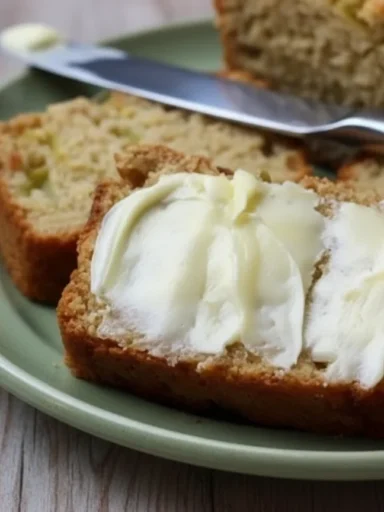
Since we are all about gut health here, I love serving a slice of warm rhubarb bread with buttermilk with a simple glaze made from powdered sugar and plain kefir. The probiotic tang of the glaze complements the rhubarb bread with buttermilk perfectly, adding a “healthy twist” that we are famous for. It’s a fun way to incorporate our favorite fermented drink into a classic baked good.
Conclusion
Baking a loaf of rhubarb bread with buttermilk is more than just following a recipe; it’s about capturing the fleeting essence of spring in a wholesome, shareable form. Whether you are enjoying a slice with your morning coffee or gifting a loaf to a neighbor, this bread represents the joy of simple, homemade food. We hope this guide inspires you to get into the kitchen and get messy! For more gut-friendly baking ideas, don’t forget to check out our rhubarb bread with kefir guide again to see how we swap ingredients for maximum health benefits. Happy baking, friends!
For more science on why buttermilk is such a baking hero, check out this great resource on baking with acidic ingredients.
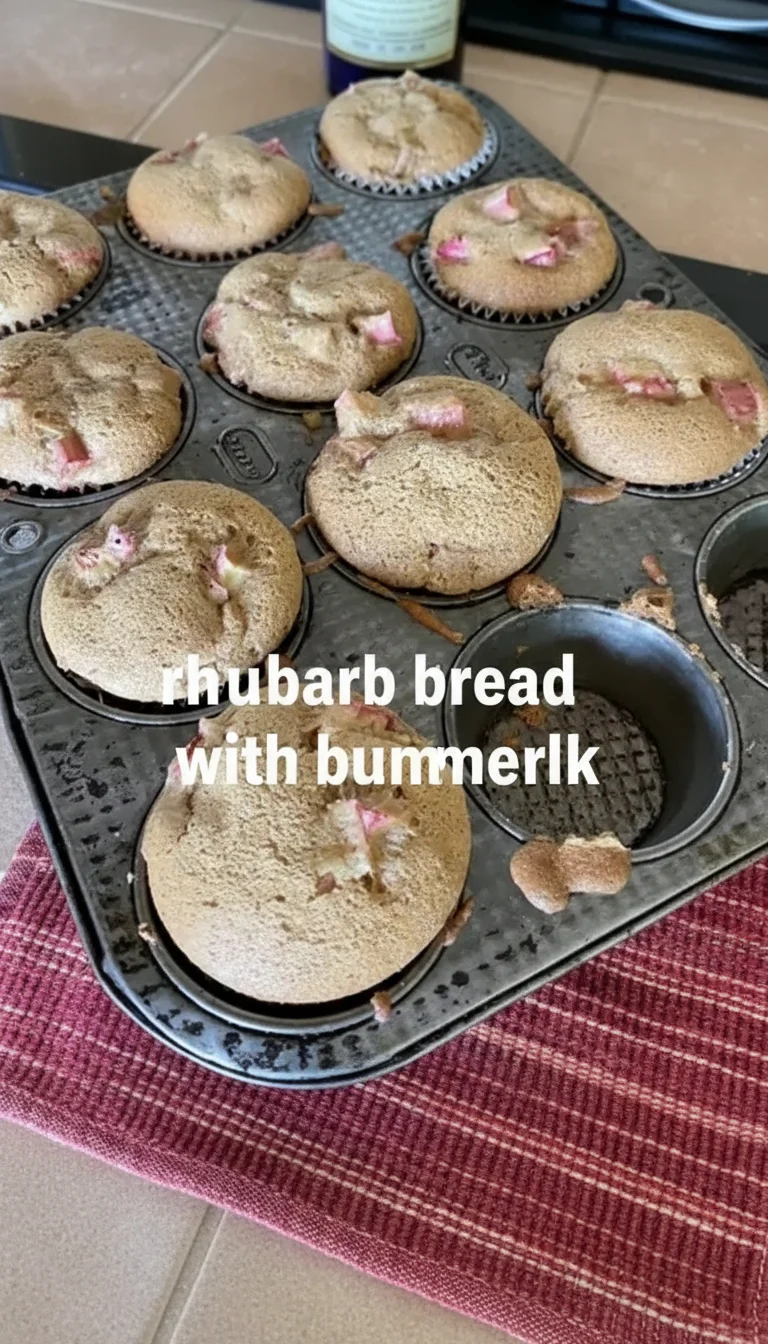
Rhubarb Bread with Buttermilk
- Total Time: 75 minutes
- Yield: 8 servings 1x
- Diet: Vegetarian
Description
A tender and flavorful rhubarb bread infused with buttermilk, perfect for breakfast or a snack.
Ingredients
- 2 cups chopped fresh rhubarb
- 1 cup all-purpose flour
- 1 cup sugar (mix of white and brown)
- 1/2 cup buttermilk
- 1/4 cup neutral oil (or melted butter)
- 2 large eggs
- 1 teaspoon baking soda
- 1/2 teaspoon salt
- 1 teaspoon ground ginger
- 1/2 cup chopped walnuts (optional)
- Zest of 1 lemon (optional)
Instructions
- Preheat the oven to 350°F (175°C).
- In a bowl, toss chopped rhubarb with a tablespoon of sugar and set aside.
- In another bowl, whisk together the flour, sugar, baking soda, and salt.
- In a separate bowl, combine buttermilk, oil, and eggs; mix well.
- Pour the wet ingredients into the dry ingredients and stir until just combined, ensuring not to overmix.
- Gently fold in the rhubarb and walnuts (if using).
- Pour the batter into a greased loaf pan.
- Bake for 50-60 minutes, checking for doneness with a toothpick.
- Let cool before slicing and serving.
Notes
This bread is excellent the next day as the flavors meld together. Wrap it in plastic wrap to keep it fresh.
- Prep Time: 15 minutes
- Cook Time: 60 minutes
- Category: Breakfast
- Method: Baking
- Cuisine: American
Nutrition
- Serving Size: 1 slice
- Calories: 230
- Sugar: 10g
- Sodium: 200mg
- Fat: 8g
- Saturated Fat: 1g
- Unsaturated Fat: 6g
- Trans Fat: 0g
- Carbohydrates: 35g
- Fiber: 1g
- Protein: 3g
- Cholesterol: 30mg