 Chef Yous
So, here’s the deal. Kéfir recette sounded like some sort of fancy wizardry to me at first. But honestly, after an accidentally epic fail with a store-bought “health” yogurt (spoiler: it was funky tasting and cost way too much), I decided to try making my own fruit kefir at home.
I craved something tasty, bubbly, and just—better. Trust me, figuring this out saved me a ton of cash and gave me a morning habit that weirdly makes me eager to get up. If you’re curious about probiotics and want step-by-step help, check out this complete kéfir guide for even more hacks. Oh—let’s get started!
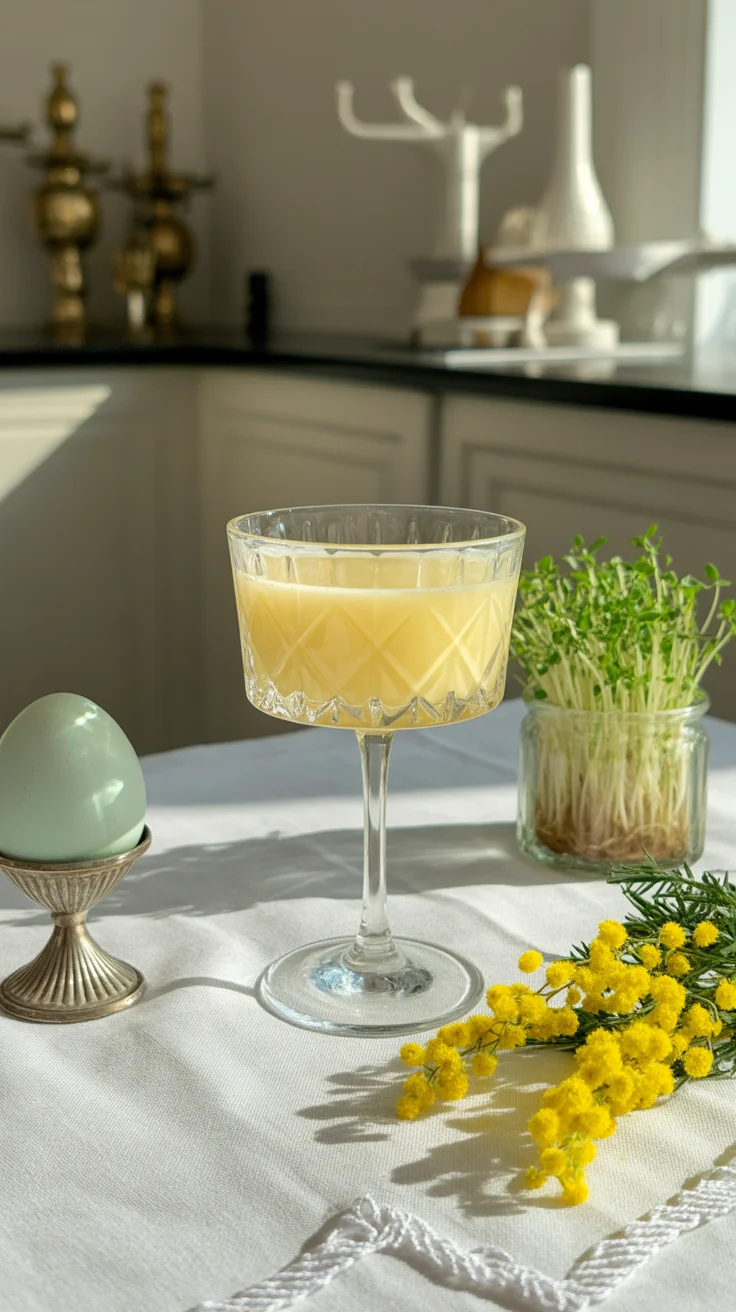
Materials Needed for Making Fruit Kefir
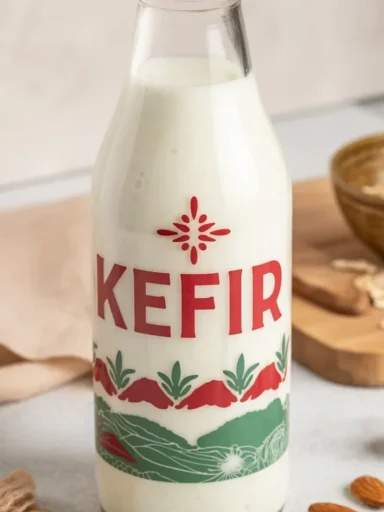
Making fruit kefir is, like, way less complicated than people say. You won’t need weird gadgets. The main stars are kefir grains. Ordering them from a trustworthy spot is super important, since they’re alive and, well, you don’t want sketchy stuff in your drink. You’ll need simple things: a big glass jar, a mesh strainer (plastic or wood, never metal), and a spoon. Oh—filtered water is key. Skip the tap if it smells like chlorine, because your grains? They hate it.
For the sweet part, grab some sugar (most folks use plain ol’ cane sugar), and you’ll need dried fruit—figs, apricots, or whatever tickles your fancy. Add a slice of lemon for zing. Don’t skimp on the sugar; it feeds the grains, not you. No one wants sad, sluggish kefir.
If you’re feeling fancy, you can use a swing-top bottle for that fizzy, store-quality finish. It keeps stuff bubbly and looks pro, but honestly, a recycled juice bottle with a tight lid does the trick if you’re careful. Cheap and sturdy is fine—just make sure it’s clean. Nothing ruins kéfir recette faster than leftover mystery flavors, I promise.
“I’d never have guessed kefir could be so simple. My first batch was actually delicious, tangy, even better than a five-star restaurant brunch juice!” – Jen, real-life friend and not a bot
Kéfir Recette
Step-by-Step Recipe for Fruit Kefir
Okay. Here’s where things get wild easy (and yes, I’ve definitely spilled this mix on my counter before). First, wash your hands and make sure your jar is squeaky clean. Add 3 tablespoons of kéfir grains to the jar. Next, pour in about 1 liter of filtered water. Chuck in 3 tablespoons of sugar—raw or white, ain’t gotta be fancy.
Drop in your dried fruit (I go for two figs, but go crazy), and pop in a small wedge of lemon. Give things a little swirl with that plastic spoon. Slap a cloth or coffee filter over the jar and rubber band it so the bugs stay out, but the gas can escape.
Let it sit on your counter for 24 to 48 hours. It should look kinda cloudy, with faint fizz. Oh, and taste it around hour 24 if you’re unsure. If it’s tangy and slightly bubbly, you nailed it. Strain out the grains, drop your kefir in a bottle, and leave it tightly sealed on the counter for another 12 to 24 hours if you want big fizz. Chill before cracking it open—otherwise, you might get a kefir volcano.
Kéfir Recette
Tips for Successfully Making Fruit Kefir
Okay, so here’s a truth bomb: room temperature matters. Too cold and the kéfir recette takes forever. Too hot and your grains can get, well, cranky. Aim for somewhere between 68°F and 77°F. If your kitchen is freezing, just be patient. “Fast kefir” is a myth.
Fresh grains work best if you “rest” them in water for a bit before starting, especially if they’ve just traveled in the mail. Don’t use honey instead of sugar, at least until you’re confident. Honey can mess with the grains until they’re built up some stamina. I tried it once too soon. Result? Dead grains. Sad times.
If you notice odd odors (like rotten eggs), just throw it out and start fresh. Trust your nose. Sometimes it won’t get fizzy enough. That’s okay. Second ferment in a sealed bottle wakes it up, and you can throw in a few actual berries for a flavor boost.
“Swapping out the fruit for fresh raspberries in the second ferment totally changed the game for me. Highly recommend experimenting!” – Sarah, serial fermenter
Kéfir Recette
Common Mistakes and How to Avoid Them
Alright, confession: I’ve made all the mistakes, so you, dear reader, don’t have to. First one? Metal utensils or strainers. They seriously annoy your grains. Go with plastic or wood every time.
Second, don’t underfeed the grains. Less sugar means grumpy, non-bubbly kefir. Also, don’t leave them too long on the counter. Overfermenting makes the taste weird and can make your grains shrink or float to the top (not a good thing). And don’t toss your grains after one use! You can reuse them forever (well, almost).
Cleaning is a biggie—leftover soap or strong cleaners can upset the balance. Just use hot water for rinsing. Lastly, per my own epic fail: check your bottle’s cap. Pop it once every 12 hours so you don’t get an accidental kefir geyser all over your kitchen. Still finding sticky spots under the cabinets, months later.
Kéfir Recette
Ways to Flavor Your Kefir
Want your kéfir recette to taste like a party in a glass? This part is basically the playground. Once your fruity kefir is done fermenting, there’s plenty you can try:
- Toss in fresh berries, citrus zest, or even slices of ginger for a second round of flavor (the “second ferment” is what the cool crowd calls it).
- Herbs like mint or basil give it a spa-water vibe—perfect for summer.
- Try a splash of pure fruit juice for extra tang or color.
- If you’re feeling bold, a pinch of cinnamon or a dash of vanilla does wonders.
Kéfir Recette
Seriously, it’s fun to mess around; every batch can taste wild and different. Someday you’ll invent a new favorite, I swear.

Wrapping Up: Make Your Own Kéfir Recette Today!
Look, making your own kéfir recette isn’t rocket science. If I can do it (with a record of kitchen disasters as proof), anyone can. It’s a super easy way to bring probiotics into your life, and you’ll save money big time compared to store-bought fizzy drinks. Plus, you can customize it like crazy.
There are more tips and the official guide on La Recette Du Kéfir De Fruits Original (100% Authentique), so peek there if you’re hungry for more inspiration and science-y stuff. Happy fermenting, and holler in the comments if you get stuck or want to share your new favorite combo!
Kéfir Recette
Print
Homemade Fruit Kefir
- Total Time: 48 hours 15 minutes
- Yield: 4 servings 1x
- Diet: Vegetarian
Description
A simple recipe to make your own bubbly and delicious fruit kefir at home, packed with probiotics.
Ingredients
- 3 tablespoons kefir grains
- 1 liter filtered water
- 3 tablespoons sugar (raw or white)
- 2 dried figs (or according to preference)
- A small wedge of lemon
Instructions
- Wash hands and ensure your jar is clean.
- Add kefir grains to the jar.
- Pour in filtered water.
- Add sugar and dried fruit, followed by a lemon wedge.
- Stir gently with a plastic spoon.
- Cover the jar with a cloth or coffee filter and secure it with a rubber band.
- Let sit for 24 to 48 hours until cloudy and fizzing.
- Taste around 24 hours for tanginess.
- Strain out the grains and transfer kefir to a bottle.
- Seal tightly and let sit for another 12 to 24 hours for fizz, then chill before serving.
Notes
Make sure to keep the kefir at room temperature between 68°F and 77°F for best results. Avoid using metal utensils.
- Prep Time: 15 minutes
- Cook Time: 48 hours
- Category: Beverage
- Method: Fermenting
- Cuisine: Fermented
Nutrition
- Serving Size: 1 serving
- Calories: 150
- Sugar: 30g
- Sodium: 5mg
- Fat: 0g
- Saturated Fat: 0g
- Unsaturated Fat: 0g
- Trans Fat: 0g
- Carbohydrates: 36g
- Fiber: 1g
- Protein: 1g
- Cholesterol: 0mg