 Chef Yous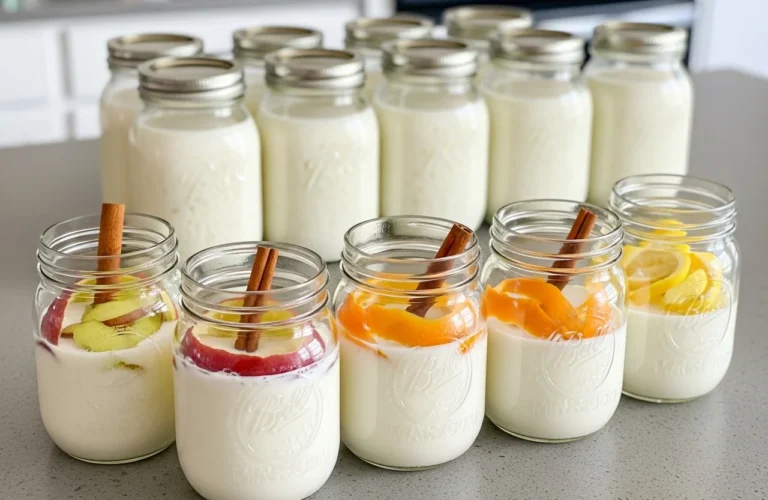
Kefir-How to do a 2nd Fermenting is where the real magic happens in your kitchen, transforming a simple probiotic drink into a symphony of flavors and a powerhouse for your gut. Here at KefirCooking, we believe food should bring joy, health, and connection, and second fermenting kefir absolutely embodies that spirit.
Just like my grandmother taught me that a dash of lemon zest could elevate a simple soup, a second ferment elevates your homemade probiotic drinks, adding depth, fizz, and a personal touch that you simply can’t buy in a store. It’s an easy step that unlocks a world of possibilities for your milk kefir recipes and water kefir second ferment adventures.
This isn’t just about making something healthy; it’s about crafting an experience, a delightful sip that makes you feel good from the inside out. Let’s dive into the art of Kefir-How to do a 2nd Fermenting, making it approachable and exciting for everyone, just as we do with all our carefully tested recipes.
What is second fermenting kefir and why is it essential for enhanced flavor?
Beyond the First Ferment: A Flavor Revolution
Think of the first ferment as laying down the foundation; it gives you that classic tangy kefir taste. But Kefir-How to do a 2nd Fermenting is where you paint the masterpiece, introducing new ingredients that interact with the remaining yeasts and bacteria to create complex, vibrant flavors. It’s a game-changer for anyone looking to move beyond the basic.
This process allows you to infuse your kefir with natural sugars from fruits or other elements, which the microbes happily consume, developing exciting new aromatic compounds. It’s how you get those wonderfully fruity, spicy, or even creamy notes in your homemade probiotic drinks.
The Science of Enhanced Potency and Probiotics
Beyond just taste, second fermenting kefir can actually boost its probiotic count and diversity. By providing a new food source, you encourage further growth and activity of these beneficial microorganisms, making your drink even more potent. This is one of the key kefir second fermentation benefits everyone should know.
It’s a gentle, natural way to amplify the goodness already present, ensuring your efforts in making kefir are rewarded with maximum gut health superfoods. Plus, the slight carbonation often achieved makes it a much more enjoyable beverage, especially if you’re not a fan of the initial tartness.
Why Your Kitchen Needs This Step
If you’ve ever found your initial plain kefir a bit too sour or lacked that certain zing, then Kefir-How to do a 2nd Fermenting is your answer. It transforms a functional health drink into a genuinely delicious one, making it easier to incorporate into your daily routine.
As Chef Yous often says, “Food should always be a source of joy, not just nourishment.” This step makes your kefir joyful. It opens up endless flavoring kefir ideas, turning your kitchen into a little fermentation laboratory where you’re the master creator.
How do you choose the perfect ingredients to infuse your second-fermented kefir?
Fruity Fantasies: Berries, Citrus, and Tropical Delights
When you’re exploring Kefir-How to do a 2nd Fermenting, fruit is your best friend. Berries like strawberries and raspberries offer a sweet-tart burst, while citrus such as lemon or orange zest provides a bright, refreshing lift. Tropical fruits like mango or pineapple lend an exotic sweetness.
Just remember, the sugar in the fruit is what fuels the secondary fermentation, so choose ripe, flavorful options. These additions are fantastic for both milk kefir recipes and water kefir second ferment batches, creating a delightful spectrum of flavors.
Herbaceous Wonders and Spicy Kicks
Don’t limit yourself to fruit when considering flavoring kefir ideas! Fresh ginger root, a cinnamon stick, or even a few mint leaves can add incredible depth to your second-fermented kefir. These ingredients introduce unique aromatics without adding excessive sugar.
A small piece of vanilla bean or a few cardamom pods can transform your plain kefir into a gourmet experience. Experimentation is key when mastering Kefir-How to do a 2nd Fermenting, so don’t be shy! For more inspiration on flavor pairings, check out this guide on [External Link: creative flavor combinations].
Sweeteners and Syrups: A Touch of Indulgence
While fruits provide natural sugars, a touch of maple syrup, honey, or even a date can give your second fermenting kefir an extra boost. These are especially useful if you’re working with less sweet fruits or aiming for a richer flavor profile.
Just a small amount is usually enough to kickstart the process and add that desired hint of sweetness. This step is particularly effective for water kefir second ferment, giving it a more robust body and often enhancing carbonation.
Kefir-How to do a 2nd Fermenting
What are the precise steps to successfully perform a second ferment for both milk and water kefir?
Prepping Your Kefir for its Flavor Journey
First things first, you need your freshly strained first-fermented kefir. Make sure your kefir grains are removed from the liquid, ready for their next batch. This clear liquid is your canvas for Kefir-How to do a 2nd Fermenting.
Gather your chosen flavoring ingredients. Wash and chop fruits, slice ginger, or measure out your spices. Cleanliness is paramount to avoid unwanted guests in your delicious homemade probiotic drinks.
The Milk Kefir Second Ferment Ritual
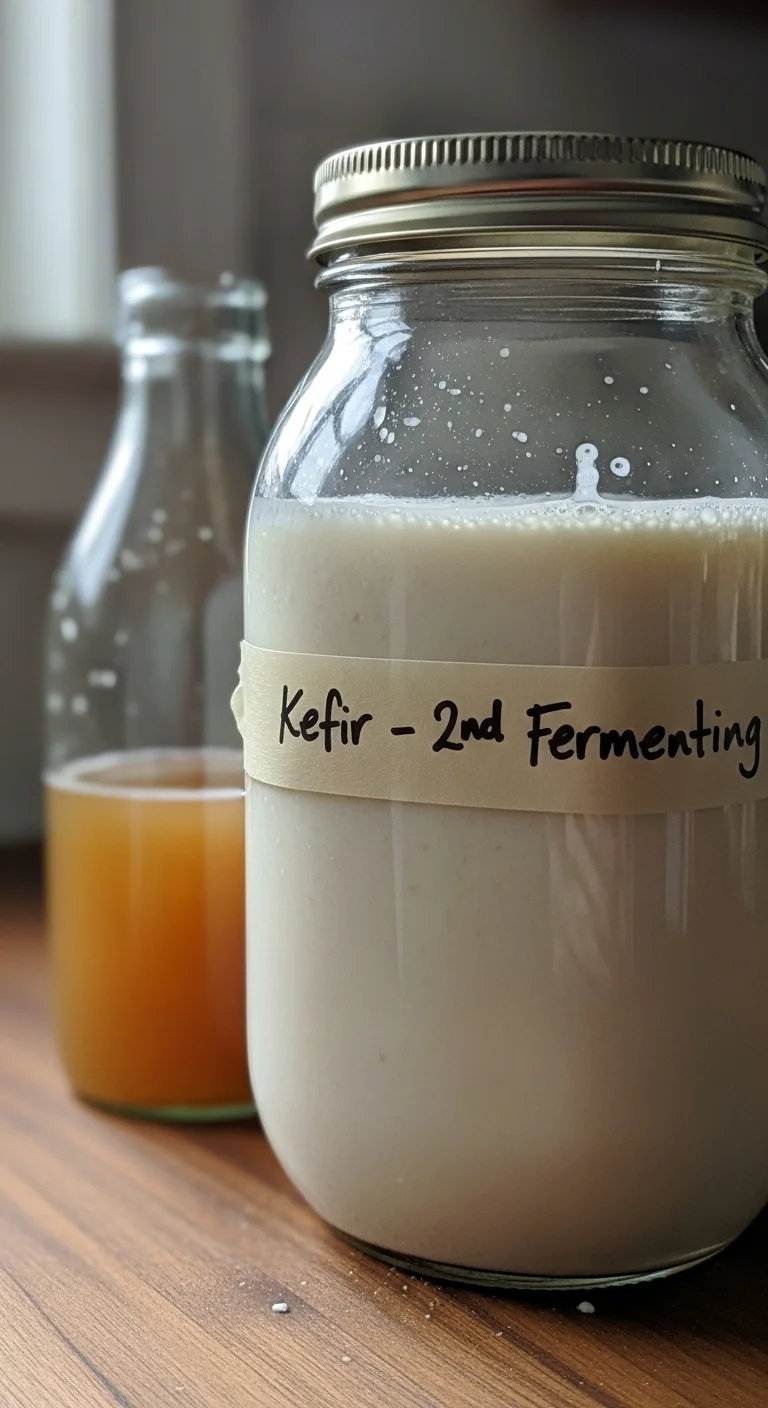
For milk kefir recipes, pour your strained milk kefir into a clean, airtight bottle or jar. Add your chosen flavoring agents – perhaps some pureed berries or a vanilla bean. Leave about an inch or two of headspace at the top to allow for carbonation.
Seal the bottle tightly and let it sit at room temperature, typically for 12-24 hours. The exact timing for Kefir-How to do a 2nd Fermenting depends on your desired flavor intensity and fizz. Keep an eye on it!
The Zesty Water Kefir Second Ferment
Water kefir second ferment follows a similar path. Strain your water kefir from its grains into an airtight bottle. Add your chosen fruit juice (about 10-20% of the total volume), fruit pieces, or other flavorings.
Seal it up and let it ferment at room temperature. Water kefir tends to carbonate more vigorously than milk kefir, so be extra cautious. This step is where you truly experience the magic of Kefir-How to do a 2nd Fermenting.
Temperature and Timing: The Golden Rules
Temperature plays a huge role in Kefir-How to do a 2nd Fermenting. Warmer temperatures (around 70-75°F or 21-24°C) will speed up the process, while cooler temperatures will slow it down. Taste testing is your best friend here.
Start checking your kefir after 6-8 hours, especially for water kefir. The goal is to achieve your desired flavor and fizz without over-fermenting, which can lead to excessive sourness or even exploding bottles. It’s a delicate balance, but one you’ll master with practice.
How can you achieve optimal carbonation and prevent common second fermentation mistakes?
The Art of the Perfect Fizz
For that delightful effervescence, the key to Kefir-How to do a 2nd Fermenting lies in airtight containers. Swing-top bottles are excellent as they create a tight seal, trapping the CO2 produced by the active microbes. The more sugar available for the microbes, the more carbonation you’ll get.
However, too much sugar or too long a ferment can lead to over-carbonation, which brings us to our next point. Mastering kefir carbonation tips means learning to listen to your kefir!
Kefir-How to do a 2nd Fermenting
Troubleshooting Common Second Ferment Hiccups
Sometimes your second fermenting kefir might be flat. This usually means either not enough sugar was added, or your environment was too cold. Try adding a bit more fruit juice or moving it to a warmer spot for a few more hours.
On the flip side, if it’s too fizzy, you might have left it too long or added too much sugar. Next time, reduce the fermenting time or the amount of added sugars. Getting the hang of Kefir-How to do a 2nd Fermenting is all about observation and adjustment.
Kefir-How to do a 2nd Fermenting
Safety First: Avoiding Explosions and Mold
This is crucial: “Burp” your bottles! Release the pressure from your sealed containers every 6-12 hours during Kefir-How to do a 2nd Fermenting, especially if you’re new to this. This prevents pressure buildup that can cause bottles to explode, a common mistake.
Also, always ensure your bottles and flavoring ingredients are clean to prevent mold. While rare in kefir, a clean environment is always best practice for any homemade probiotic drinks. Discard any batch that shows signs of mold, as safety always comes first.
Kefir-How to do a 2nd Fermenting
What incredible health benefits can you unlock by mastering the art of second-fermented kefir?
A Boost for Your Belly: Gut Health Superfoods
Mastering Kefir-How to do a 2nd Fermenting means you’re creating a truly potent gut health superfood. The increased diversity and quantity of beneficial bacteria support a healthy gut microbiome, which is foundational for overall wellness.
These tiny powerhouses help with digestion, nutrient absorption, and even protect against harmful pathogens. Regularly enjoying your second-fermented kefir is a delicious way to nurture your inner ecosystem.
Kefir-How to do a 2nd Fermenting
Nutrient Absorption and Immune Support
Beyond just digestion, the probiotics in your second-fermented kefir can significantly improve your body’s ability to absorb vital nutrients from your food. A healthy gut is a happy gut, and a happy gut is more efficient at extracting goodness.
Furthermore, a strong gut microbiome is directly linked to a robust immune system. By regularly consuming these homemade probiotic drinks, you’re giving your body a natural shield against illness, one flavorful sip at a time. This is one of the most significant kefir second fermentation benefits.
Beyond Digestion: Mood and Energy
Did you know your gut is often called your
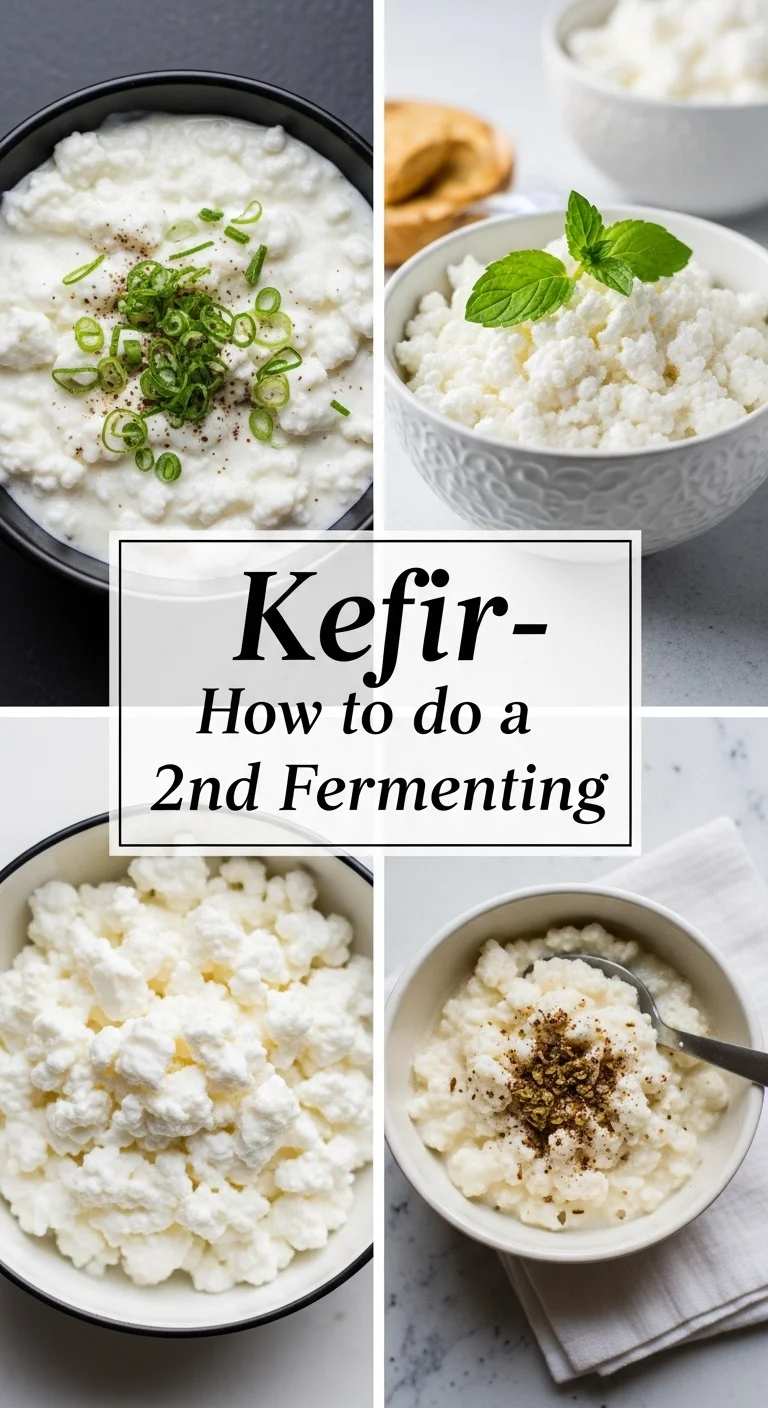

Kefir – How to do a 2nd Fermenting
- Total Time: 12 hours 10 minutes
- Yield: 4 servings
- Diet: Vegetarian
Description
Transform your homemade kefir into a flavorful powerhouse with a second fermentation step that enhances taste and boosts gut health.
Ingredients
- Freshly strained first-fermented kefir
- Flavoring ingredients: fruits (berries, citrus, tropical fruits), spices (ginger, cinnamon), sweeteners (maple syrup, honey)
Instructions
- Remove kefir grains from the first-fermented kefir.
- Gather and prepare your chosen flavoring ingredients.
- For milk kefir: Pour into a clean, airtight bottle, add flavorings, and seal tightly. Leave headspace for carbonation.
- Let it ferment at room temperature for 12-24 hours, checking for desired taste and fizz.
- For water kefir: Strain into a bottle, add fruit juice and flavorings, seal, and let ferment at room temperature.
- Monitor carbonation and burp the bottles every 6-12 hours to prevent explosions.
Notes
Experiment with different flavor combinations! Always ensure cleanliness to prevent mold.
- Prep Time: 10 minutes
- Cook Time: 12 hours
- Category: Beverage
- Method: Fermenting
- Cuisine: Fermented
Nutrition
- Serving Size: 1 cup
- Calories: 100
- Sugar: 10g
- Sodium: 40mg
- Fat: 5g
- Saturated Fat: 2g
- Unsaturated Fat: 3g
- Trans Fat: 0g
- Carbohydrates: 14g
- Fiber: 0g
- Protein: 3g
- Cholesterol: 5mg