 Chef Yous
Kéfir bienfaits. That’s probably not something you hear every day, right? Maybe you’re feeling sluggish lately, or you keep reading about fermented foods but honestly, it’s all a blur.
Yeah, I get you! I used to stand in the yogurt aisle thinking, “What am I, a scientist?” But trust me, this humble drink is shockingly easy to work into daily life. You just need the right info. Oh, and if you need a little more background, check this handy post about probiotic foods.
L’origine du kéfir
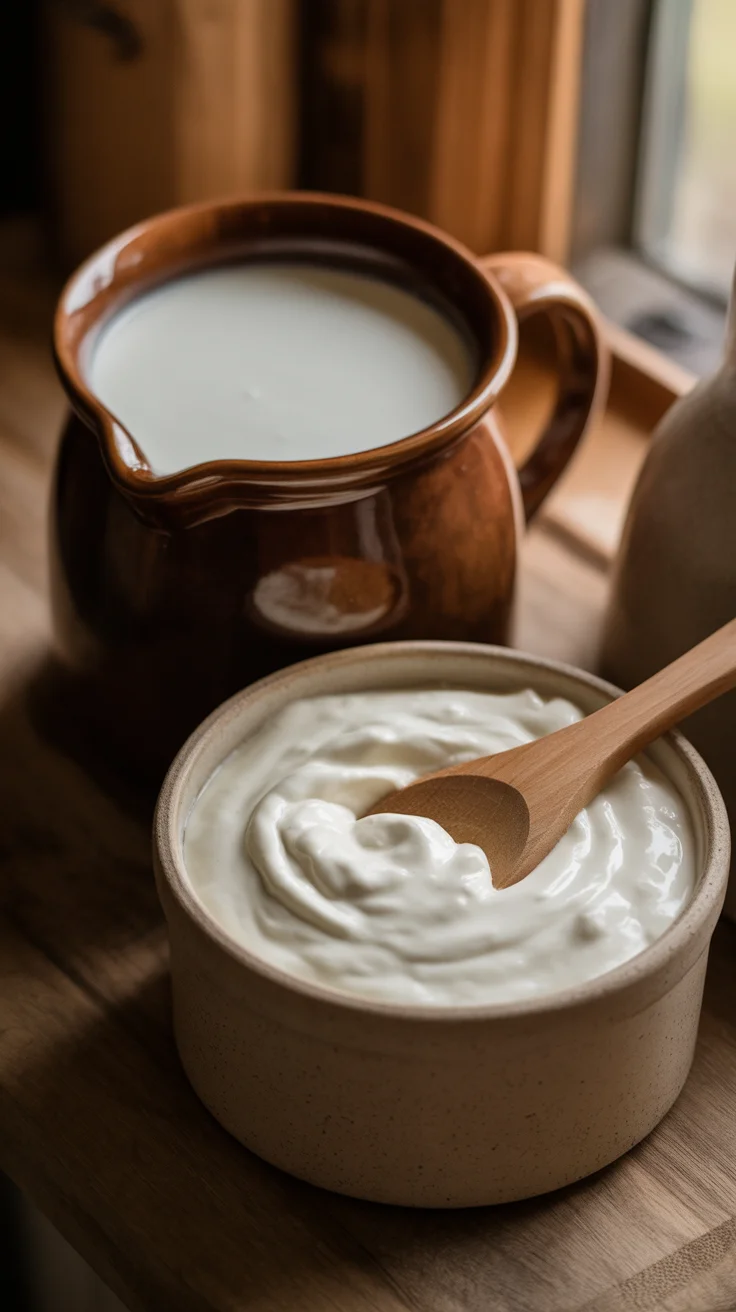
Here’s a story for you. Picture a bunch of shepherds in the Caucasus Mountains tending to their goats, centuries ago. Wow, right? Legend has it, they accidentally discovered kéfir after leaving milk in leather sacks. Nature and a bit of luck did all the work. Over time, these creamy, bubbly grains took on almost mythical status. They started calling it “the drink of the prophets.” I’m not exaggerating—it’s been part of diets for ages.
Eventually, it made its way over to Russia, then all across Europe, and now? Most likely in your local grocery store’s fridge section trying to look casual. So, next time you sip it (or even spill it—it happens!), remember you’re tasting a drink with roots so deep it probably pre-dates your great-grandma’s best recipe.
Kéfir Bienfaits
Les bienfaits du kéfir
Okay, here comes the fun part. This is where the kéfir bienfaits really start to shine. All those probiotics, which are like tiny helpers in your gut, show up in every single glass. People say it can seriously improve digestion—and I’ve honestly felt the difference.
It’s supposedly great for your immune system, too, ’cause most of your immune system lives in your belly (weird fact, but true). And if, like me, you sometimes get grumpy after dairy? Kéfir is usually easier on you since the fermentation kinda pre-digests things. Oh, and my favorite—folks say it can help with lactose intolerance and even battle some kinds of bad bacteria. I once even brought it to a potluck and had two people come hug me the next day, so maybe mood-boosting is a side effect!
“I’ve struggled for years with stomach problems, but since having kéfir every morning, my digestion is miles better. I barely even notice the discomfort. Love it!”
Kéfir Bienfaits
Les effets indésirables du kéfir
Look, I’ll be straight with you. Kéfir bienfaits are real, but sometimes your belly needs a heads up. If you go from zero to three glasses a day—let’s say your body might have… opinions. Gas and bloating can happen at first. Yikes, but it usually calms down after a week or so.
A small number of people report headaches or weirdly enough, a rash. It’s not super common. Oh! If you’ve got a sensitive immune system, ask your doc first. I once chugged a GIGANTIC smoothie with kéfir after not having dairy for months, and, uh, let’s just say my bathroom got very familiar. Start slow, be patient, and your gut will get the memo.
Kéfir Bienfaits
Comment faire son kéfir maison
If you’re a kitchen dabbler like me, making kéfir at home feels like a neat little science experiment—minus the complicated jargon. All you need are kéfir grains, a clean jar, milk, and a tiny bit of patience.
- Scoop one to two tablespoons of kéfir grains into the jar.
- Add about two cups of milk (any kind works, but full-fat is tastier, if you ask me).
- Cover the jar with cloth and a rubber band—important so air gets in but bugs stay out.
- Leave the jar at room temp for about a day. Check it; it should smell tangy and look a bit thick. If not, let it sit a few hours longer.
Kéfir Bienfaits
Want it fizzier? Leave it longer. Less sour? Cut the time down. Strain the grains once you like the taste and pop your fresh kéfir in the fridge. Repeat with new milk. Voila! You’ve got yourself a never-ending, five-star restaurant-worthy batch of kéfir.
Comparaison entre kéfir et kombucha
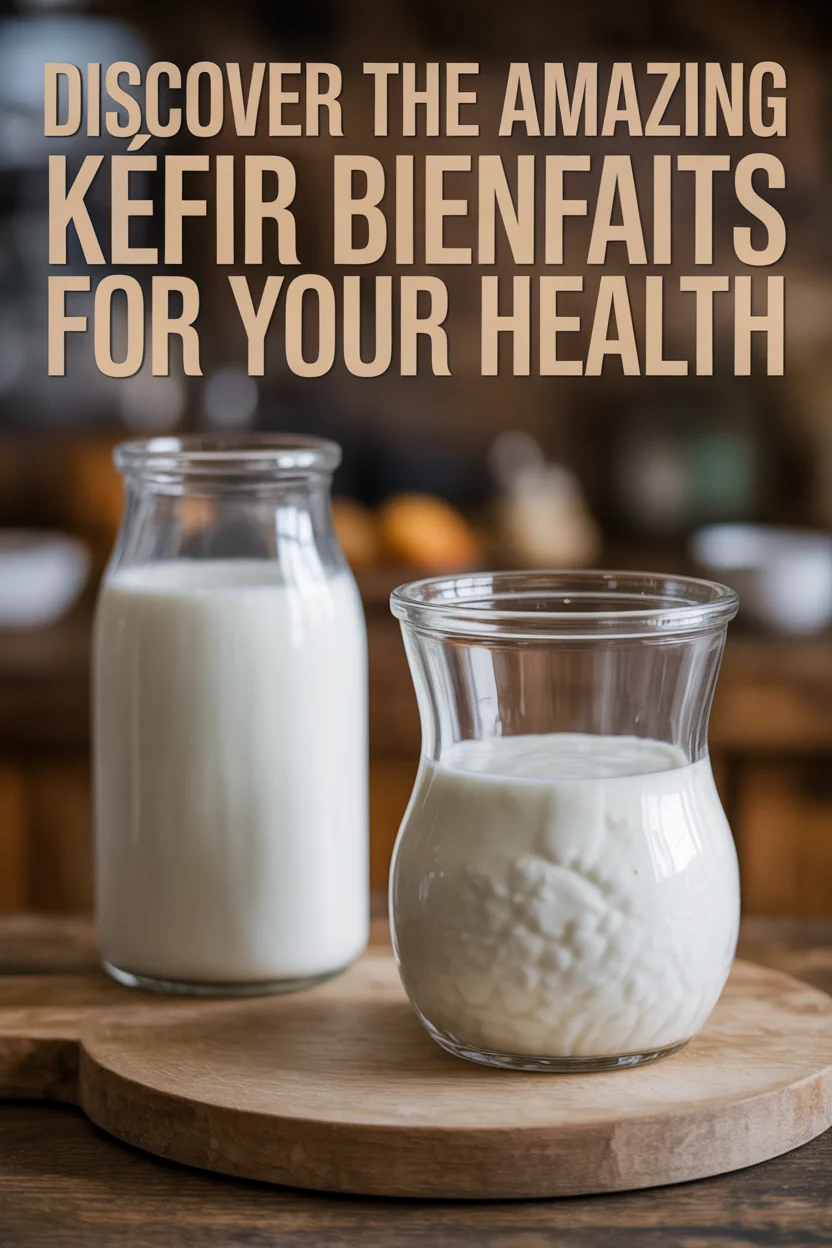
Now, folks ask me this ALL the time: “Isn’t kéfir just kombucha with a fancier name?” Not quite. Kombucha is made with tea and sugar, plus that “SCOBY” floating around like a jellyfish at a beach party. Kéfir sticks with milk (or water, but that’s a whole other rabbit hole) and those special grains.
Both are tangy, kinda fizzy, and full of good bacteria. But kombucha is usually more acidic. Kéfir is creamier—and honestly, it fills you up better. So, it’s like, kombucha is your afternoon zingy friend, while kéfir is your comfy breakfast buddy. Both are champs, but if I had to pick one for daily sipping, kéfir wins by a nose!
Kéfir Bienfaits
Wrapping It All Up
So, is kéfir bienfaits worth your time? If you ask me, yeah—a thousand times yes. From old-school roots in the Caucasus to your everyday breakfast, it’s a powerhouse. Sure, it can cause some rumbles at first, yet the benefits blow that away quick. If you’re curious about making it yourself, start slow, trust your tastebuds, and keep your eyes peeled for any changes.
You can also dive deeper into the world of fermentation and healthy drinks if you want to learn more Tout savoir sur le kéfir : bienfaits et recettes. Even if you forget all the science-y talk, just try it once with your oatmeal or in a smoothie—it might be the most refreshing swap you make all year. So, go grab those grains and say cheers to your belly!
Kéfir Bienfaits
Print
Homemade Kéfir
- Total Time: 1445 minutes
- Yield: 2 cups 1x
- Diet: Vegetarian
Description
A delicious probiotic-rich drink that’s easy to make at home and great for digestion.
Ingredients
- 1–2 tablespoons of kéfir grains
- 2 cups of milk (any kind, preferably full-fat)
Instructions
- Scoop one to two tablespoons of kéfir grains into a clean jar.
- Add about two cups of milk to the jar.
- Cover the jar with cloth and secure it with a rubber band.
- Leave the jar at room temperature for about a day.
- Check the kéfir; it should smell tangy and look a bit thick. If not, let it sit a few hours longer.
- For fizzier kéfir, leave it longer; for less sour, shorten the time.
- Strain the grains once the desired taste is achieved and refrigerate your fresh kéfir.
- Repeat with new milk to continue making kéfir.
Notes
Start slow when incorporating kéfir into your diet to let your body adjust.
- Prep Time: 5 minutes
- Cook Time: 1440 minutes
- Category: Beverage
- Method: Fermenting
- Cuisine: Caucasian
Nutrition
- Serving Size: 1 cup
- Calories: 120
- Sugar: 10g
- Sodium: 100mg
- Fat: 8g
- Saturated Fat: 5g
- Unsaturated Fat: 2g
- Trans Fat: 0g
- Carbohydrates: 6g
- Fiber: 0g
- Protein: 6g
- Cholesterol: 30mg