 Chef Yous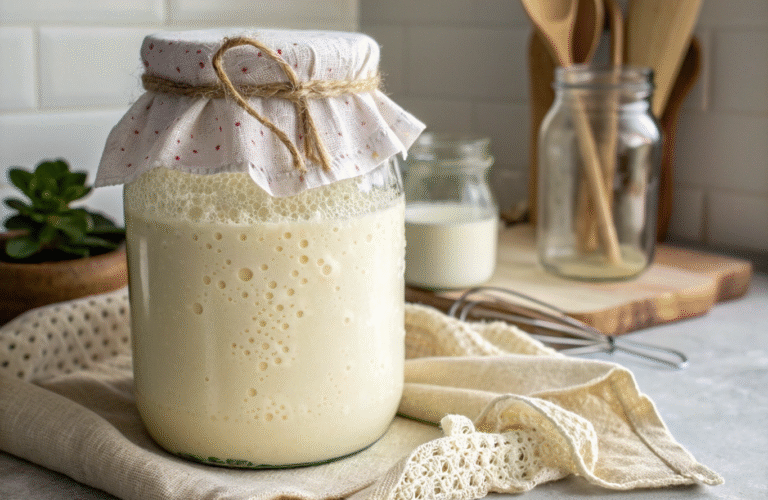
What Does Homemade Kefir Taste Like? Okay, right off the bat… if you’re standing in the dairy aisle squinting at a bottle of kefir, wondering, “Should I try this?”—I’ve so been there.
You want something that’s good for you, not another chalky, weird health drink that tastes like the cough medicine from your childhood, right? You heard kefir is loaded with probiotics, but you still wonder, What Does Kefir Taste Like, really? (And does it play nice with your morning oats or smoothie?) By the way, if you want fresh ideas outside the carton, check out these 11 Ways to Use Kefir for some fun inspo.
What are the health benefits of kefir?
So, where do we start? Kefir is truly a superstar in the healthy drink world. If you’re chasing gut health—or (let’s be honest) just hoping for fewer tummy troubles—it’s kind of magical. Kefir’s packed with live cultures, way more than you’ll find in regular plain yogurt. These tiny little guys (I like to imagine them with capes) help balance your digestion.
Plus, kefir contains all sorts of good bacteria and yeast working together. It’s a probiotic powerhouse that’s been shown to boost your immune system and even help with some allergies.
My friend swears her skin is clearer after two weeks of drinking it. Full honesty—I felt more energetic after adding it to my breakfast routine. And folks with mild lactose intolerance? Sometimes they can handle kefir even if milk messes with their stomach since the cultures break down most of the lactose.
“I started drinking kefir every day, and I actually feel less bloated and more… regular (if you know what I mean!).” — Jess, real person, probably oversharing at brunch
Homemade Kefir
Nutritional value of kefir
Nutritional value matters to me, maybe ‘cause I tend to snack on things I should NOT talk about in public. But kefir fits right in with my “try to eat real food” goals. Here’s the thing, it’s got protein, calcium, B vitamins, and it’s low-ish in calories (unless you go for the super creamy kind).
You’ll usually find about 100-150 calories in a cup, depending if it’s made from whole milk or skim. Protein’s solid (six to eight grams per serving), so you might even swap it in for your post-workout yogurt. Minerals like magnesium and phosphorus? Yep, they’re hiding in there too.
The real secret star, though, is the probiotics—lots of them. If your body needs a reset after too many late-night pizza runs, kefir can give your gut a friendly nudge.
Kefir also brings a little tang, which signals it’s probably easier to digest than that ice cream I know you’re hoarding in the freezer. Not that I’m judging.
Homemade Kefir
Making kefir at home
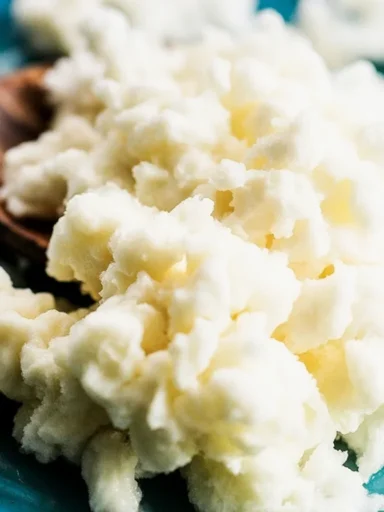
Here’s my confession: making kefir at home feels scary at first, but it’s totally doable—kinda fun, actually! You just need milk (cow, goat, even coconut if you’re feeling fancy) and a starter culture called kefir grains.
I got mine online—in a tiny packet that looked like something out of a spy movie. Put the grains in a jar with milk and let it chill out on the counter for about a day. No special machines, no circus-level skills required.
When it’s done, you’ll strain out the grains and start all over. (They’re reusable! Like magical little yogurt pets.) Each batch gets a little easier. The trick is not overthinking it. If you forget it for an extra few hours—hey, it might just taste more tangy, but it’s rarely ruined.
One time, I accidentally left mine out for 36 hours during a heat wave. Whew, intense! Still, my next batch came out fine, so don’t stress. Homemade kefir is often tangier and a bit thinner than the supermarket stuff, but you can mix it with fruit if you’re not into the super-sour vibe.
Homemade Kefir
How to incorporate kefir into cooking and baking
Now, the fun part—using kefir in recipes besides gulping it straight. I toss it into pancakes for extra fluff, blend it in smoothies, or splash a little over granola. You can even swap it in for buttermilk in baking, like in muffins or quick bread.
Here are some of my favorite ideas:
- Pour Homemade Kefir over breakfast oats or muesli (bonus tip: the tanginess makes boring oats taste like something from a five-star restaurant.)
- Whip up a banana-berry kefir smoothie (I swear by this banana berry kefir smoothie on sleepy mornings.)
- Use instead of yogurt in tzatziki and dressings—just adds a zippy flavor that wakes up salads.
- Freeze in popsicle molds with a bit of honey and berries for a sweet-tart snack.
Mostly, if a recipe calls for yogurt or buttermilk, kefir’s gonna slide right in. Countless times, I’ve dodged a trip to the store by using kefir in pancake batter or dips. Love that flexibility.
Homemade Kefir
Kefir vs. yogurt vs. buttermilk
Okay, the taste test everyone talks about: how does kefir actually stack up to yogurt and buttermilk? Well, let’s just say there are clear differences.
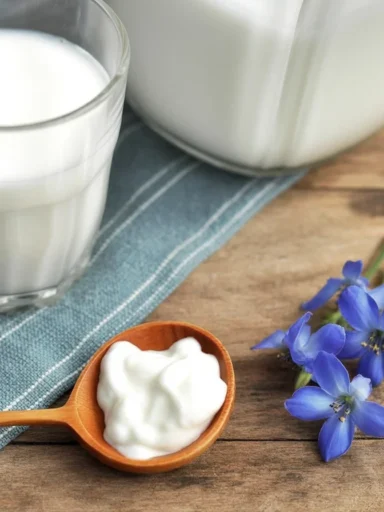
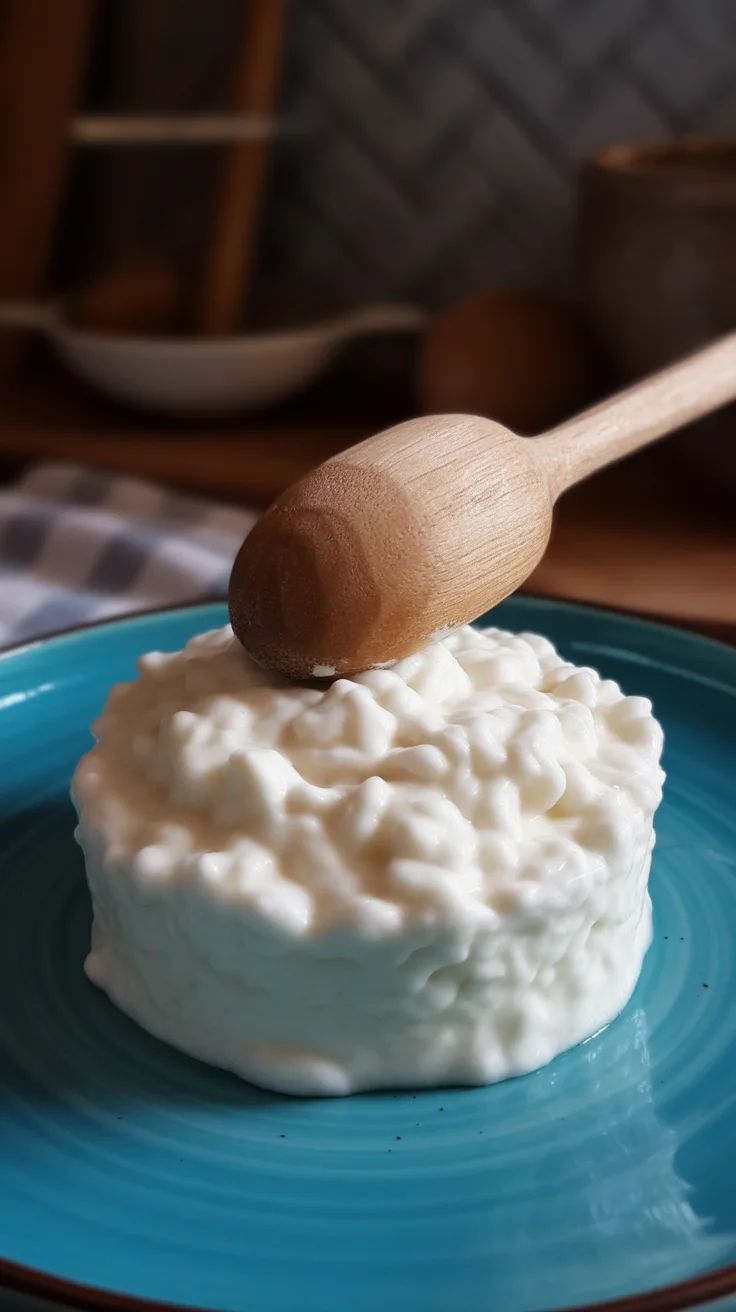
Kefir’s texture is drinkable—thinner than yogurt, thicker than milk, pretty creamy overall. Flavor-wise, it’s got a noticeable tang, sometimes even a little effervescent (bubbly, not like drinking soda, but still) because of the friendly yeast. To me, plain yogurt is kinda mild in comparison. Buttermilk tastes milder and less complex, with way less punch.
If you like sour cream, you’ll probably vibe with kefir too. And if you’re scared, start with a fruit-flavored one. I started with strawberry—the sort of training wheels version. But now I actually crave the plain stuff (never thought I’d say that).
Homemade Kefir
Oh, and for folks who love digging into other folks’ taste experiments, there’s a pretty hilarious thread right here: https://www.reddit.com/r/Kefir/comments/y575ns/yall_be_honest_what_does_your_whole_milk_kefir/ where people confess all sorts of things about what their homemade kefir tastes like. Honestly, some of these stories are pure gold.

Conclusion
So, what does kefir taste like? If I had to wrap it up… it’s tangy, slightly fizzy, and definitely not as sweet as a milkshake. It’s grown on me and now I can’t go a day without it in my breakfast mix (or as a kitchen rescue when someone forgot to buy buttermilk, ahem).
Some people say it’s kinda like a drinkable yogurt but with more “zing.” Hungry for new ideas? This thread on Reddit (Y’all be honest. What does your whole milk kefir taste like? : r/Kefir) is a must-read for funny and honest reviews, and if you’re ready to level up breakfast, try these 12 kefir recipes for breakfast. I promise, it’s not a health food you just “endure”—it’s one you might actually crave. Give it a sip and see what the fuss is about!
Homemade Kefir
Print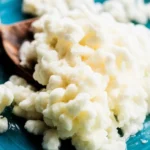
Homemade Kefir
- Total Time: 1445 minutes
- Yield: 4 servings
- Diet: Vegetarian
Description
Learn how to make and enjoy tangy homemade kefir, a probiotic-rich drink that can elevate your breakfast and cooking.
Ingredients
- Milk (cow, goat, or coconut)
- Kefir grains (starter culture)
- Optional: honey and berries for freezing
Instructions
- Put kefir grains in a jar with milk.
- Let it sit at room temperature for about 24 hours.
- Strain out the grains and reuse them for the next batch.
- Experiment with flavor by mixing in fruit or using it in recipes.
Notes
Kefir can be used as a substitute for yogurt or buttermilk in recipes, making it versatile in cooking and baking.
- Prep Time: 5 minutes
- Cook Time: 1440 minutes
- Category: Beverage
- Method: Fermentation
- Cuisine: Various
Nutrition
- Serving Size: 1 cup
- Calories: 130
- Sugar: 6g
- Sodium: 120mg
- Fat: 4g
- Saturated Fat: 2g
- Unsaturated Fat: 2g
- Trans Fat: 0g
- Carbohydrates: 10g
- Fiber: 0g
- Protein: 8g
- Cholesterol: 20mg