
 Chef Yous
Digestive health probiotics kefir are probably the last things you think about during breakfast, right? But there I was, bloated and kinda miserable, until my neighbor, bless her, shoved a glass of kefir in my hand.
I hesitated (that tangy smell was surprising). But wait, if you’ve ever struggled with belly troubles, you’ll want to know about kefir. It’s like yogurt, but even better for your gut. If you’re wondering what to do with it, check out these kefir smoothie ideas—that’s how I started!
What Is Kefir?
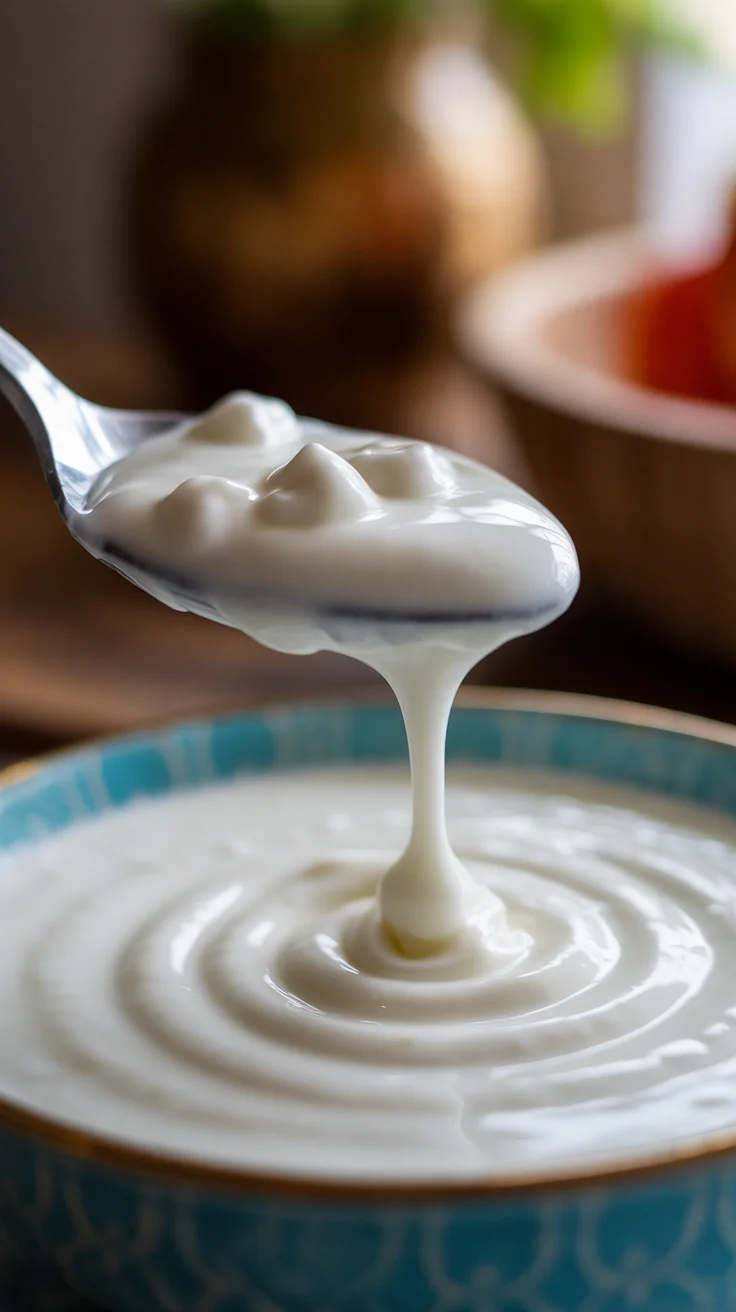
Let’s keep it simple. Kefir is a fermented milk drink loaded with “good” bacteria. The magic starts with adding something called kefir grains (they look like tiny cauliflower bits) to milk. In a day or so, you get a fizzy, tart liquid that’s basically a superhero for your stomach.
Kefir’s a little thinner than yogurt, so you can chug it, pour it over cereal, or blend it up with fruit. It started its life in Eastern Europe, and—no exaggeration—grandmas over there have sworn by it forever.
Some days, when I hear the word “fermented,” I’d rather just run, honest. But kefir’s mild and tangy. Not scary at all! Kids actually like it (shockingly). My folks back in Texas even top pancakes with it sometimes.
Hey, if you’re new to the fermentation party, just know kefir’s a quick fix for tired digestion. Pretty nifty for a drink I once thought was just weird sour milk!
“Kefir changed my gut for the better. I used to be so, uh, unpredictable. Now, things run smooth! Can’t believe something this simple works.” — Tamika S.
Digestive health probiotics kefir
Health Benefits of Kefir
So, why all the hype about kefir? It’s packed with live cultures—a fancy way of saying probiotics. These little helpers support your system by boosting the good bacteria in your belly.
Unlike regular milk, kefir is easier to digest (lactose-sensitive folks, take note). Plus, it’s loaded with calcium and protein. I’ve read some folks swear it helps with allergies or skin, but honestly, my main love is for its digestive support.
Some days when I overdo spicy food (guilty), I just grab a cold glass of kefir. Instant relief. Well, almost instant. Bonus: my skin started to clear up too, but you didn’t hear it from me.
I got obsessed with researching probiotics in kefir. The science is real. Plus, it’s got vitamins like B12 and K2—look those up if you want your bones and blood happy. Thirsty yet?
Digestive health probiotics kefir
Kefir vs. Yogurt
Now you’re probably thinking, isn’t kefir just liquid yogurt? The answer: sorta, but it’s got its own flavor and powers.
Here’s what I noticed. Yogurt is spoon-thick and usually contains fewer probiotics. Kefir? It’s got even more strains of those little bacteria guys, and it’s drinkable. The “fizziness” in kefir comes from a bit of natural carbonation (it’s subtle, not soda).
Yogurt, okay, it’s creamy and familiar, but I always found it heavy. Kefir goes down easy. Plus, it’s awesome for smoothies since it blends silky-smooth.
Also, kefir’s fermentation makes it more digestible, especially if dairy makes your tummy grumble. For me, a glass of kefir in the morning feels lighter than a bowl of yogurt—less nap-inducing for sure.
If you’re skeptical, just try both. Some days I want one, some days the other. Kefir, though, became a fast favorite for my digestive health, probiotics and all.
Digestive health probiotics kefir
Types of Kefir
Let’s shake things up—kefir isn’t just made from cow’s milk. There are a few riffs on it and honestly, they’re all worth a shot.
- Cow’s milk kefir: Classic. Mild, tangy, and easiest to find at stores.
- Goat’s milk kefir: Slightly earthier flavor, if you like to walk on the wild side.
- Non-dairy versions: Think coconut, rice, or almond milk kefir. My vegan pals swear by them.
- Water kefir: Totally dairy-free. Lighter, a bit fizzy, and perfect for summer sipping.
The flavors vary a bit and you’ll probably land on a favorite. I use cow’s milk kefir for blending, coconut for pouring straight on my granola. Try a few and see what feels right!
Digestive health probiotics kefir
How to Make Kefir
Roll up your sleeves; making kefir at home is honestly easier than baking cookies. No joke. Here’s my dead-simple method:
All you need is milk (pick your favorite), a tablespoon or two of kefir grains (snag ‘em online or from a kefir-loving friend) and a jar. Pop the grains in the milk, cover the jar loosely (I just use a napkin and rubber band, nothing fancy), and let it sit out at room temp for a day—24 hours-ish.
It’ll start to thicken and get that signature tang. When it’s ready, strain out the grains (I use a plastic strainer since metal can bug the grains). Your grains can then get reused in your next batch, by the way.
Pour your homemade kefir in a bottle, chill if you want, and it’s ready to enjoy! If it feels too tart, add some berries or honey; don’t overthink it. That’s it, seriously. It’s basically kitchen magic.
Digestive health probiotics kefir
If you want to put your kefir to good use, breakfast is where it shines. I found these 12 kefir recipes for breakfast work wonders on busy mornings.

Okay, one last nugget. Are you curious about kefir and want to really deep-dive? I found some solid science and extra info over at WebMD: What Are Kefir and Its Health Benefits?. Trust me, it’s worth a peek if you love nerding out like me. So, ready to give digestive health probiotics kefir a try? Your belly (and taste buds) just might give you a standing ovation.
Digestive health probiotics kefir
Print
DIY Kefir
- Total Time: 14 minutes
- Yield: 1 quart 1x
- Diet: Vegetarian
Description
A simple method to make homemade kefir, a fermented milk drink packed with probiotics for digestive health.
Ingredients
- 1–2 tablespoons kefir grains
- 1 quart milk (cow’s, goat’s, or non-dairy)
Instructions
- Place kefir grains in a jar with milk.
- Cover the jar loosely with a napkin and rubber band.
- Let it sit at room temperature for about 24 hours.
- When thickened, strain out the grains using a plastic strainer.
- Store the kefir in a bottle and chill if desired.
- Add berries or honey if it’s too tart.
Notes
Kefir can also be made with different types of milk; experiment to find your favorite flavor. The grains can be reused for subsequent batches.
- Prep Time: 5 minutes
- Cook Time: 14 minutes
- Category: Beverage
- Method: Fermentation
- Cuisine: Eastern European
Nutrition
- Serving Size: 1 serving
- Calories: 150
- Sugar: 6g
- Sodium: 100mg
- Fat: 8g
- Saturated Fat: 4g
- Unsaturated Fat: 2g
- Trans Fat: 0g
- Carbohydrates: 12g
- Fiber: 0g
- Protein: 6g
- Cholesterol: 25mg