 Chef Yous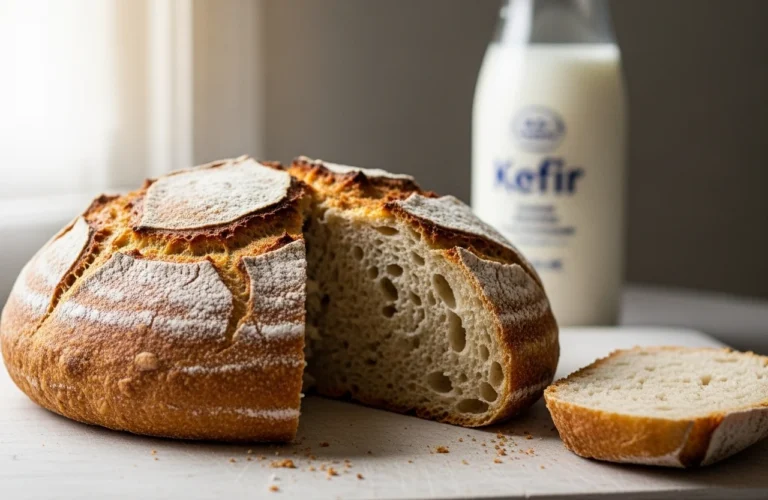
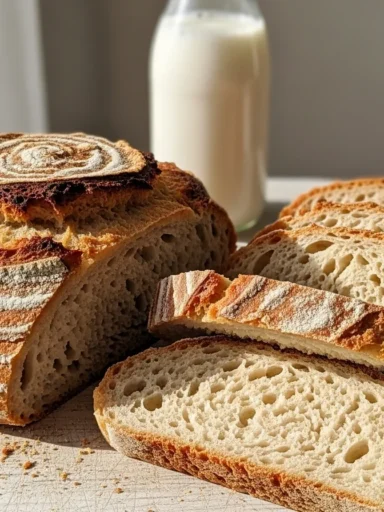
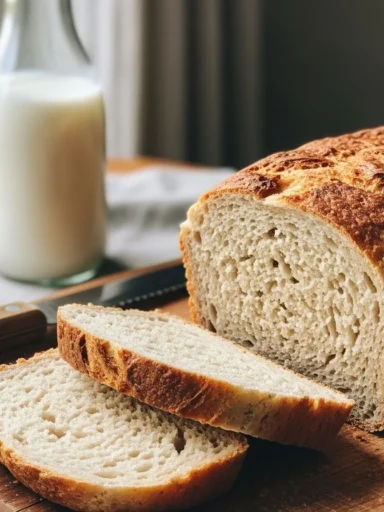
Welcome, my friends, to KefirCooking! It’s Chef Yous here, and I’m thrilled to share a culinary journey that combines my passion for traditional methods with a touch of innovation. Today, we’re diving into the wonderful world of a kefir bread recipe, exploring how this simple ingredient can transform your homemade loaves.
From the tangy flavor to the gut-friendly benefits, mastering a good kefir bread recipe is a truly rewarding experience, bringing joy and health to your kitchen. I remember my grandmother always saying, “Food made with love and a little bit of magic always tastes best,” and I believe kefir brings just that kind of magic to our baking. Let’s get started on crafting some unforgettable bread!

What makes kefir bread a unique and beneficial addition to your baking repertoire?
Kefir bread offers a distinct profile that sets it apart from conventional loaves, making any kefir bread recipe a truly special endeavor. The secret lies in kefir itself, a fermented milk drink packed with beneficial bacteria and yeasts. When used in baking, these microorganisms get to work, breaking down starches and sugars in the flour, which can lead to a more digestible and nutrient-rich bread.
This natural fermentation process is what gives kefir bread its characteristic tangy flavor and often a softer crumb, elevating your everyday baking. Exploring a kefir bread recipe allows you to introduce probiotic bread benefits directly into your diet.
The unique qualities of a kefir bread recipe aren’t just about taste and texture; they extend to significant health advantages. The probiotics in kefir contribute to a healthy gut microbiome, which is increasingly linked to overall well-being.
By incorporating a kefir bread recipe into your routine, you’re not just enjoying delicious bread, but also potentially supporting your digestive health. This makes it a fantastic choice for those looking for healthy homemade bread options that go beyond basic nutrition. It’s a simple way to bake with purpose, making every slice of your kefir bread recipe a step towards a healthier you.
What essential ingredients and preparation steps are required for a successful kefir bread recipe?
Crafting a delicious kefir bread recipe begins with a few key ingredients, most of which you likely already have in your pantry. The star, of course, is milk kefir. You’ll also need flour (all-purpose or bread flour works well), a leavening agent like baking soda or yeast, a touch of salt, and often a sweetener like honey or sugar to feed the yeast and enhance flavor. Some kefir bread recipe variations might call for olive oil or butter for added richness. The beauty of a basic kefir bread recipe is its simplicity, allowing the unique qualities of the kefir to shine through.
The preparation steps for a successful kefir bread recipe are straightforward and enjoyable. First, you’ll combine your wet ingredients, including the kefir, with the dry ingredients. If using yeast, you’ll often activate it with a little warm water and sweetener before mixing.
Kneading is a crucial step for developing gluten and achieving that perfect texture in your kefir bread recipe. After kneading, the dough needs time to rise, allowing the fermentation to work its magic. This hands-on process is incredibly satisfying, connecting you to the ancient art of bread making. Remember, patience is key to any great kefir bread recipe, especially during the rising period.
How does kefir fermentation impact the texture, flavor, and nutritional value of your bread?
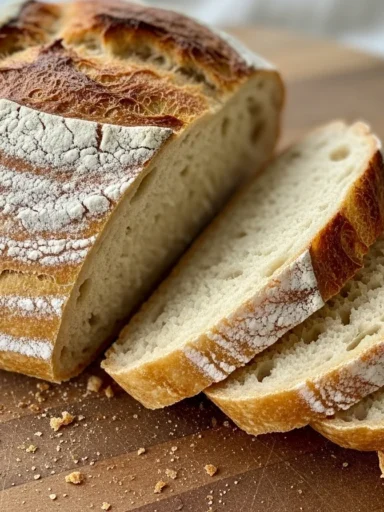
Kefir fermentation is the heart of what makes a kefir bread recipe so special, profoundly influencing the bread’s texture. As the kefir’s microorganisms consume sugars in the dough, they produce carbon dioxide, which creates air pockets, resulting in a wonderfully light and airy crumb. This process also helps to break down complex carbohydrates and proteins, making the bread easier to digest. The texture of a well-made kefir bread recipe is often softer and more tender than breads made without fermentation, offering a delightful chewiness that’s truly unique. It transforms a simple flour and water mixture into something extraordinary.
The flavor profile of a kefir bread recipe is another area where fermentation truly shines. The lactic acid produced during fermentation imparts a distinctive, tangy bread flavor that is both refreshing and complex, reminiscent of a mild sourdough. This tangy note complements a wide range of toppings, from sweet jams to savory cheeses.
Beyond flavor, the nutritional value of your bread is boosted by the fermentation in a kefir bread recipe. Fermentation can increase the bioavailability of certain vitamins and minerals, and the beneficial bacteria contribute to the probiotic bread benefits. This makes your homemade kefir bread not just tasty, but also a truly gut-friendly bread option.
“Baking with kefir is like giving your bread a little secret superpower. It’s not just food; it’s nourishment crafted with living goodness.” – Chef Yous, KefirCooking
What are the best baking techniques and variations to perfect your kefir bread loaf?
To perfect your kefir bread recipe, understanding a few key baking techniques can make all the difference. One crucial aspect is not over-kneading, as kefir can sometimes make dough a bit more delicate. Aim for a smooth, elastic dough that springs back when gently poked.
The rising time is also vital; allow your dough to double in size in a warm, draft-free place. For a crispier crust, consider baking your kefir bread recipe in a Dutch oven or with a pan of water in the oven to create steam. These techniques ensure your fermented bread recipe achieves its full potential in both texture and appearance.
Experimenting with variations is where the fun truly begins with any kefir bread recipe. You can explore different flours, such as whole wheat or rye, to alter the density and flavor. For a richer, more complex taste, consider using a kefir sourdough starter, which combines the benefits of both fermentation methods.
You can also add mix-ins like seeds (sunflower, flax), herbs (rosemary, thyme), or even dried fruits and nuts for sweet variations. Whether you’re making a simple milk kefir baking loaf or an elaborate artisan creation, each kefir bread recipe offers endless possibilities for customization and creativity. Don’t be afraid to try new things and make the kefir bread recipe your own!
How can you best store and enjoy your homemade kefir bread for maximum freshness and flavor?
Once you’ve baked your delicious kefir bread recipe, proper storage is key to maintaining its freshness and enjoying its tangy flavor for as long as possible. For short-term storage (1-2 days), simply keep your loaf in a bread box or a paper bag at room temperature.
This allows the crust to remain somewhat crisp while keeping the interior soft. Avoid airtight plastic bags for room temperature storage, as they can trap moisture and make the crust soggy. Every slice of your homemade kefir bread recipe deserves to be savored at its best.
For longer storage, freezing is an excellent option for your kefir bread recipe. Once the bread has completely cooled, slice it and place the slices in a freezer-safe bag or wrap the entire loaf tightly in plastic wrap, then foil. Frozen kefir bread will keep well for up to 3 months.
To enjoy, simply thaw slices at room temperature or toast them directly from frozen. This ensures you always have a supply of healthy homemade bread ready to go, allowing you to enjoy the probiotic bread benefits of your kefir bread recipe whenever the craving strikes. It’s a perfect way to extend the life of your gut-friendly bread.

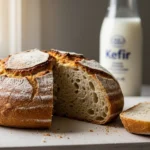
Kefir Bread
- Total Time: 50 minutes
- Yield: 1 loaf 1x
- Diet: Vegetarian
Description
A delightful kefir bread recipe that combines traditional methods with the health benefits of kefir, resulting in a tangy, nutritious loaf.
Ingredients
- 1 cup milk kefir
- 3 cups all-purpose flour
- 1 teaspoon baking soda or yeast
- 1 teaspoon salt
- 1–2 tablespoons honey or sugar
- 2 tablespoons olive oil or butter (optional)
Instructions
- In a bowl, combine the milk kefir with the dry ingredients (flour, baking soda/yeast, and salt).
- If using yeast, activate it with warm water and sweetener before mixing.
- Knead the dough until smooth and elastic.
- Allow the dough to rise in a warm place until doubled in size.
- Bake in a preheated oven at 375°F (190°C) for 30-35 minutes or until golden brown.
Notes
For a crispier crust, bake in a Dutch oven or add a pan of water in the oven to create steam. Experiment with different flours and add-ins like seeds or herbs for variations.
- Prep Time: 15 minutes
- Cook Time: 35 minutes
- Category: Bread
- Method: Baking
- Cuisine: Global
Nutrition
- Serving Size: 1 slice
- Calories: 180
- Sugar: 4g
- Sodium: 300mg
- Fat: 5g
- Saturated Fat: 1g
- Unsaturated Fat: 4g
- Trans Fat: 0g
- Carbohydrates: 30g
- Fiber: 2g
- Protein: 6g
- Cholesterol: 5mg