
 Chef Yous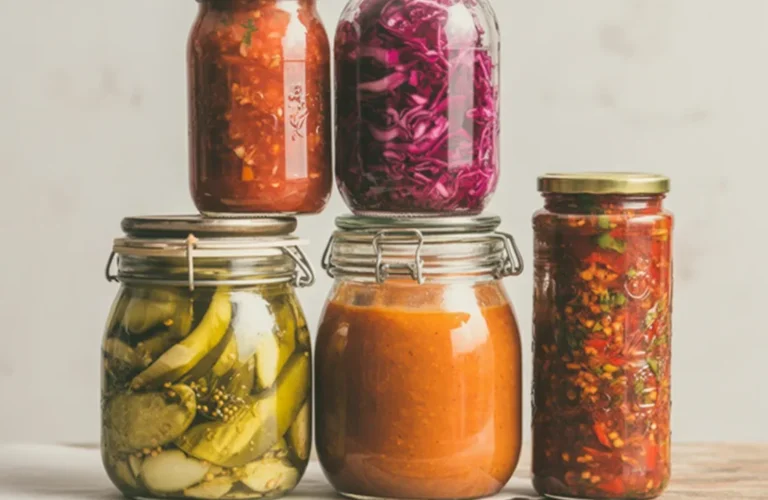
You know, when I first stumbled across Kefir Recipes and Boost the Health of Your Gut advice, I was feeling like a bit of a lost puppy. My belly was upset more days than not. Bloating all the time, mood swings out the wazoo, and don’t get me started on feeling tired. I wanted something simple, something I could start right away.
And then I thought about that old-school wisdom—fermented foods. Well, turns out, kefir is all over the place in these gut health talks. By the way, if you’re ever poking around online, there’s some helpful info on kefircooking.com under terms of service, worth a glance if you’re curious about how deep this kefir rabbit hole actually goes.

Anyway, I’m here to chat about how kefir fits in, how to use it, and why it might be the one thing your gut’s been begging for lately.
What is fermented food?
So, you’re staring at jars of funky-smelling pickles or reading the word “kefir” on a milk carton for the third time this week. Fermented food just means regular food that’s been given a little time and help to turn tangy, bubbly, or sometimes just a whole lot more interesting.
And—uh, quick science moment—friendly microbes like bacteria or yeast do the magic. They snack on sugars in the food, which changes the flavor and texture, and suddenly you’ve got a slightly sour but oh-so-good snack loaded with the good stuff.
Kefir’s like yogurt’s livelier cousin. You toss kefir grains (they look like tiny cauliflower bits) into milk or water, let it sit a day or so, and boom—thirst-quenching, slightly fizzy, and packed with goodness. My grandmother called it “liquid gold” long before it got trendy. It’s alive, fresh, sometimes a little unpredictable (I mean, what kitchen disaster doesn’t start with good intentions?), but that’s the charm.
Kefir Recipes
What’s all the fuss about fermented foods being good for health?
Alright. I was pretty skeptical too, not gonna lie. First time someone said, “Eat kraut for your gut” I thought it had to be a joke. But there’s… a reason people in about every corner of the globe have been eating fermented foods forever.
Here’s the root of that trendy fuss: those friendly bacteria, the ones that power up the fermentation, are actual live microorganisms (yes, real little critters—try not to overthink it). They help out your digestive system more than you might realize. By eating fermented foods regularly, you’re giving your belly a fresh dose of these helpers.
That’s not all. Studies hint that people who eat fermented foods, like those you see recommended in kefir recipes, often report fewer stomach issues. Even skin’s happier, moods can turn sunnier, and you might feel more energetic. I mean, who knew a tangy drink could shift your whole vibe? Let’s say, if your grandma swore by her homemade pickles or kefir, she was onto something.
“After swapping my regular breakfast with a simple kefir smoothie, I genuinely noticed my bloating just kinda vanished. If you hate feeling sluggish, this is for you.” – Mike S., regular reader
Kefir Recipes
What are the benefits of live microorganisms?
Okay. So you keep hearing the phrase “live microorganisms” but unless you collect petri dishes for fun, it sounds pretty mysterious. Joke’s on us—they’re just friendly bacteria and yeast that live in fermented food. And, wow, do they kind of go above and beyond for your insides.
Eat these—like from your favorite kefir recipes—and you might actually digest food easier. They can help push out bad bacteria that makes you sick, and make room for the good kind. Plus, get this—some research says they teach your immune system how to behave better so you get sick less often. Imagine firing up your body’s own security team every morning with a tall glass of kefir.
My favorite part? Some people say their stubborn “tummy troubles” (like what I used to feel every Monday!) got a whole lot lighter after just a week or two on kefir and a couple of pickled sides. Not magic—just a little microbial teamwork down below.
Kefir Recipes
How much fermented food should you eat?
Look, moderation is the name of this game. I know, when something tastes this fresh you’ll wanna chug it but your belly might not love you if you go too wild too soon. Best advice I ever got: start slow, see how you feel, then see about a bit more. Everyone’s got a different system, right?
- Pour a small glass (around half a cup) of kefir with breakfast and check how your stomach handles it.
- If all’s well, try sneaking it into your smoothies, salad dressings—heck, use it in place of milk on your morning oats.
- Don’t need to hit a daily goal like you’re in a competition. A cup a day for most folks keeps things steady down south.
- If you’re feeling super adventurous, maybe some sauerkraut or kimchi on your plate once or twice a week for good measure.
Main thing is, you want it regular, not rare. Listen to your gut. It knows better than any app or blog post.
Kefir Recipes
What are ‘probiotics’ and are they in fermented foods?
Here’s where people start to squint at the labels in the dairy aisle—“Wait, aren’t probiotics anything you swallow in pill form?” Actually, probiotics just means those helpful bacteria we keep talking about. Companies bottle them up these days, but honestly, your humble kefir is packed with them—no pills required.
Not all fermented foods have probiotics, though. That’s the wild part. Some pickled and canned foods are so processed and pasteurized, every bit of bacteria is zapped away. But the kind in kefir drinks? Still alive and kicking. When you choose straight-up kefir (especially homemade or the good refrigerated stuff), you’re getting a solid gut boost every sip.
Kefir Recipes
If you’re hunting for specifics, look for the line on the bottle about “live and active cultures.” It sounds a bit space-age, but it’s a sign your kefir isn’t just flavored milk or water. So—who knew one drink could multitask this hard?

Now, that’s my two cents about kefir recipes, friendly bacteria, and being good to your gut. If you’re itching to dive deeper, I love how Biotiful Gut Health breaks down gut wellness (honestly, their stuff is worth bookmarking), and if you’re concerned about the nitty gritty details of probiotic foods, they really spell things out.
Whether you’re dealing with a cranky belly or just love trying out stuff that actually tastes good and does you good, give kefir a spot in your fridge. I mean, it worked for me—who’s to say it won’t jazz up your gut too?
Kefir Recipes
Print
Kefir Smoothie
- Total Time: 5 minutes
- Yield: 1 serving 1x
- Diet: Vegetarian
Description
A refreshing and tangy kefir smoothie that promotes gut health.
Ingredients
- 1 cup kefir
- 1 banana
- 1/2 cup mixed berries (fresh or frozen)
- 1 tablespoon honey (optional)
- 1/4 teaspoon vanilla extract
Instructions
- In a blender, combine kefir, banana, mixed berries, honey, and vanilla extract.
- Blend until smooth and creamy.
- Taste and adjust sweetness if necessary.
- Pour into a glass and enjoy!
Notes
Start with a small serving to see how your body reacts, and adjust as needed.
- Prep Time: 5 minutes
- Cook Time: 0 minutes
- Category: Beverage
- Method: Blending
- Cuisine: Healthy
Nutrition
- Serving Size: 1 serving
- Calories: 220
- Sugar: 10g
- Sodium: 100mg
- Fat: 4g
- Saturated Fat: 2g
- Unsaturated Fat: 2g
- Trans Fat: 0g
- Carbohydrates: 39g
- Fiber: 3g
- Protein: 8g
- Cholesterol: 10mg