 Chef Yous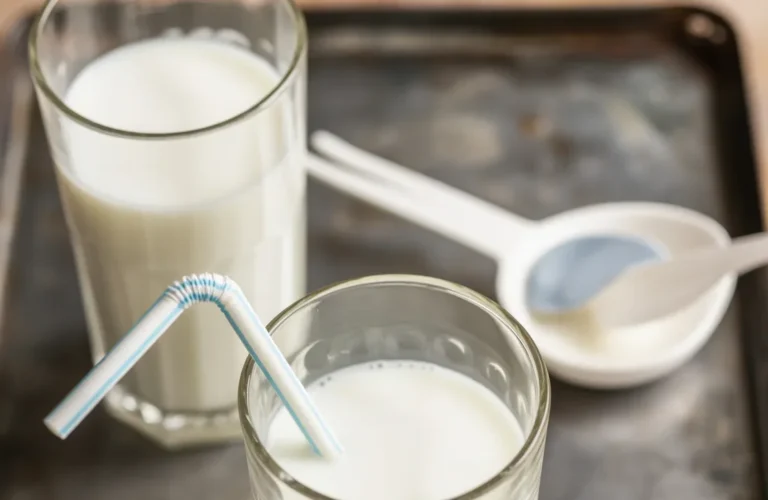
Milk Kefir Recipes saved me. For real. I remember staring at a row of yogurt at the store, frustrated as heck, thinking… okay, does any of this even taste good? Aren’t there easier and probably healthier ways to get something creamy and probiotic at home? If you’ve been boggled by this too, you’re not alone. When I stumbled on Milk Kefir Recipes, everything changed.

It’s honestly as simple as it gets. Want to shake up those slow mornings or make breakfast more exciting? Check out these ideas: 12 kefir recipes for breakfast.
What is Milk Kefir?
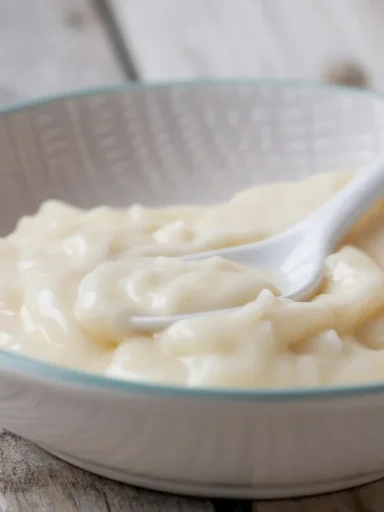
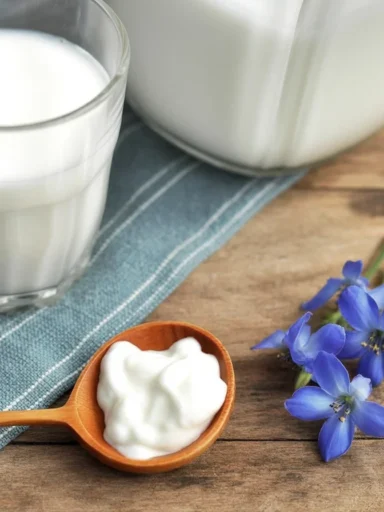
So, let’s break it down. Milk Kefir Recipes is a tangy, probiotic-rich dairy drink made by fermenting milk with kefir grains. If you’re picturing grains-of-something, nope, these are actually weird, jelly-like blobs. I know, not the most appetizing description. But stay with me.
The grains munch on the lactose in milk and turn it into this drink that’s sorta like a zingy yogurt but way runnier. When I first tried it, I thought it would be like sour milk (ugh, gross), but wow, the flavor grew on me. Kinda tart, sometimes fizzy, creamy… in a surprising way. You get live cultures in every gulp. Some people even use non-dairy milk, like almond or coconut, but regular cow’s milk is easiest to start with.
I’ll be honest: the first batch I made tasted a bit weird, but by the third go it was honestly five-star restaurant quality (well, in my kitchen anyway). My skeptical friend said, “It’s better than the store stuff. What the heck?” So if you’re on the fence, give it a couple tries. Your taste buds might just do a happy dance.
“After years of stomach issues, daily Milk Kefir Recipes calmed my gut and tasted so much better than supplements. Homemade wins every time.” – Jess, my breakfast-obsessed neighbor
Milk Kefir Recipes
Benefits of Fermented Foods
Here’s why folks get excited about fermented foods: they’re really good for your gut. I know everyone on the internet says that, but listen, science backs it. Milk Kefir Recipes is loaded with beneficial bacteria, aka probiotics. These little guys help support digestion and can keep your immune system happy.
And let’s not skip the fun part: the tangy zing can wake up a sleepy tongue in the morning. You also score calcium, vitamin B12, and a fair bit of protein without having to chow down on plain yogurt or those chalky supplements (ew, no thanks).
What shocked me was just how fast my energy levels picked up once I started enjoying Milk Kefir Recipes daily. Maybe I’m exaggerating, but it felt like my stomach just sighed with relief! Plus, if you get the fermentation right, it even has less lactose than regular milk. Lactose intolerant friends, rejoice, you might tolerate it.
I still geek out over how easy it is to make something this good for you out of ordinary milk sitting in your fridge.
Milk Kefir Recipes
How To Make Milk Kefir Recipes
Now, the best part. Making milk kefir is almost laughably simple. Okay, listen up:
- Add 1 to 2 tablespoons of kefir grains to a clean glass jar.
- Pour in about 2 cups of milk (whole milk makes it creamier, but use whatever’s in the fridge).
- Pop a coffee filter or paper towel over the top (secure with a rubber band) so it can breathe.
- Let it sit at room temp, outta direct sunlight, for 24 hours. Taste it. If it’s tangy, strain out the grains and stash the kefir in the fridge.
If after a day it’s still super mild, leave it another 12 hours. The longer it sits, the stronger the zing. Oh, and don’t rinse your grains! They like their “gunk” (it’s good bacteria). That’s it. My first batch flopped ’cause I left it on top of the oven, whoops, got way too warm. Find a spot that’s cool-ish and cozy—like your countertop away from the stove.
Troubles? The grains grow! I’ve had to give some away so often my friends probably dodge my texts now. Strain with a plastic sieve for best results (metal freaked out my grains, not sure why). Experiment, mess up, do it again—it gets easier.
Milk Kefir Recipes
Tips for Successful Kefir Making
Don’t overthink it, but a few things help. Use fresh milk, not the stuff about to expire—a rookie mistake I’ve made, trust me, the taste is… questionable. Clean your jar well before each batch. If your kitchen is super warm, check your kefir after 12 to 18 hours, or it might turn cheese-like (goodbye, creamy drink). Love your kefir grains and they’ll love you back, simple as that. If your batch separates (clearish whey on top, thick stuff below), just give it a good shake before drinking. But if it smells really funky or looks pink or fuzzy, toss it and start again, safety first!
If you want it fizzy (I mean, why not?), try a second ferment: add fruit or a bit of honey after straining out the grains, seal the jar, and let it sit at room temp another 12 hours. Sometimes I add strawberries; sometimes I get wild and try peaches—never fails to jazz up plain old kefir.
Here’s a secret: metal’s not a kefir grain’s friend, so use plastic or wood for stirring or straining. I’ve lost a few batches to this (still sad).
Milk Kefir Recipes
Ways to Use Kefir
So you’ve got milk kefir—now what? Easiest lunch hack: pour it over muesli or granola. I sometimes even sneak it into pancake batter (my kids have no clue, and they eat it up). Make smoothies—just blitz with banana and berries for the best drink, hands down. If you want to get creative, swap milk for kefir in your favorite baking recipes. Salads? Yup! Whip up a tangy kefir dressing with lemon and herbs, and you’ll never go back to plain ranch.
A few more ideas for using milk kefir in the kitchen:
- Top fresh fruit or blend with oats for overnight magic.
- Mix with chia seeds for a make-ahead pudding.
- Use in muffin batter for super light, moist muffins.
- Try a little splash in soups for a creamy finish.
Milk Kefir Recipes
Sometimes I just drink it straight from the jar (when no one’s looking). The best part is, you can find way more inspiration and easy-to-follow ideas right over at kefir recipes.

If all this seems overwhelming—not to worry! For even more step-by-step guidance, check out the super simple method at Our Easiest How to Make Milk Kefir Recipe – Cultures For Health. If you’re trying to really mix things up in the kitchen, don’t miss this roundup of different ways to use kefir or want to level up your breakfast with the legendary fluffiest kefir pancakes buttermilk.
Seriously, welcome to your new favorite kitchen experiment—invite your friends, or just enjoy the delicious milk kefir goodness by yourself!
Print
Homemade Milk Kefir
- Total Time: 1445 minutes
- Yield: 2 cups 1x
- Diet: Vegetarian
Description
Discover the simple and delicious way to make probiotic-rich milk kefir at home, a tangy dairy drink that supports gut health.
Ingredients
- 1 to 2 tablespoons kefir grains
- 2 cups milk (whole or any kind available)
Instructions
- Add kefir grains to a clean glass jar.
- Pour in milk and cover the jar with a coffee filter or paper towel secured with a rubber band.
- Let it sit at room temperature, out of direct sunlight, for 24 hours.
- Taste for tanginess; if desired, strain out the grains and refrigerate kefir.
- If kefir is still mild after 24 hours, let it sit for another 12 hours.
- Enjoy your homemade milk kefir and experiment with flavors or second fermentation if desired.
Notes
For best results, use fresh milk and keep your kefir grains clean. Avoid metal utensils.
- Prep Time: 5 minutes
- Cook Time: 1440 minutes
- Category: Fermented Beverage
- Method: Fermentation
- Cuisine: International
Nutrition
- Serving Size: 1 cup
- Calories: 150
- Sugar: 6g
- Sodium: 100mg
- Fat: 8g
- Saturated Fat: 5g
- Unsaturated Fat: 2g
- Trans Fat: 0g
- Carbohydrates: 10g
- Fiber: 0g
- Protein: 8g
- Cholesterol: 30mg