 Chef Yous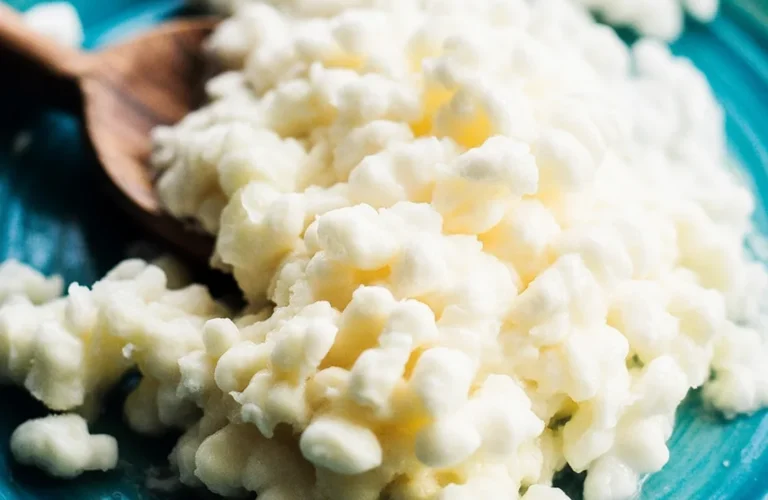
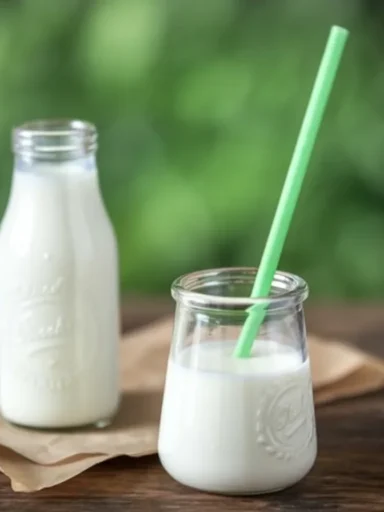
Ever wandered down the dairy aisle, seen those quirky bottles, and asked yourself, What Is Kefir? Listen, you’re not alone. I used to wonder why my neighbor kept raving about her “gut reboot” drinks. Turns out, kefir is not just trendy, it’s ancient and surprisingly versatile.
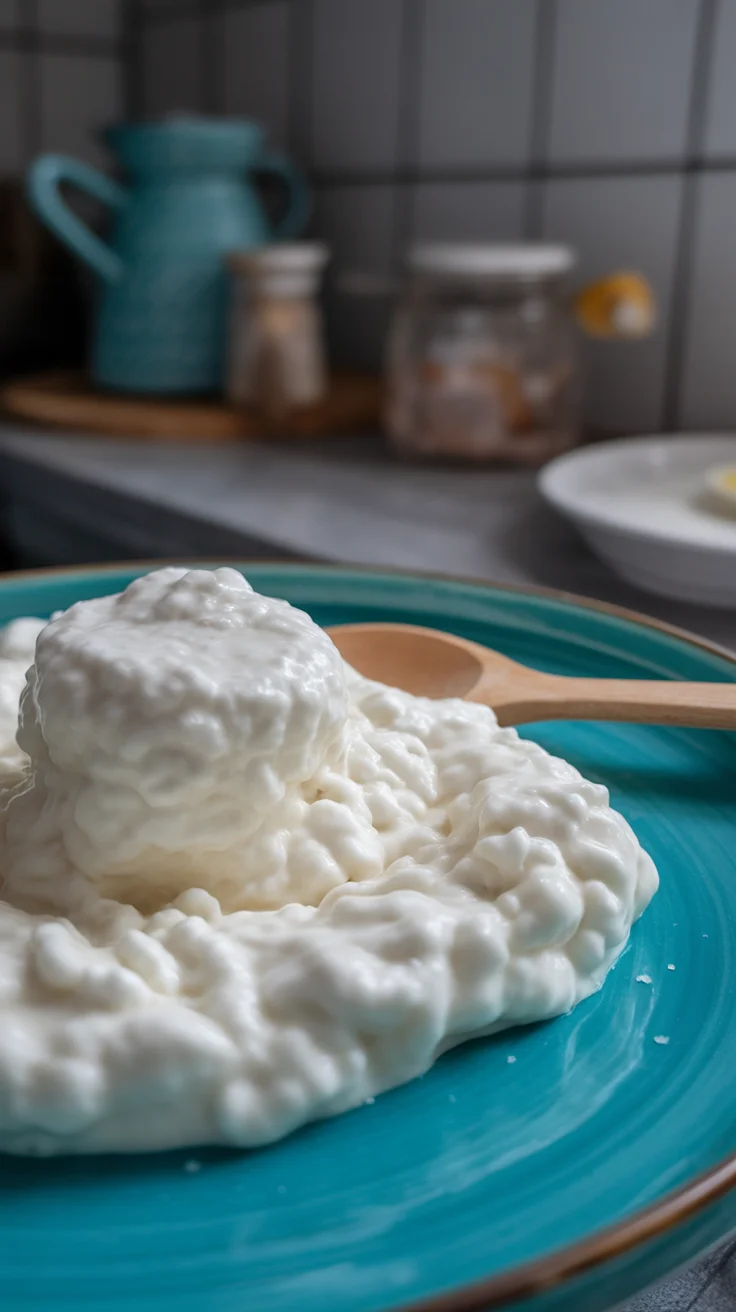
If you’re looking for something both good for your belly and absolutely snackable, kefir might become your new favorite. Plus, I messed around on the weekend and fell in love with it all over again—especially after trying a cold glass with fruit in the morning. Curious about how many ways you can use it? Check out these 11 ways to use kefir to get inspired.
Origin and etymology
Let’s get nerdy for a second but not too deep, promise. Kefir hails from the mysterious Caucasus Mountains, floating around places like Russia and Turkey, way before hipsters got a hold of it.
The word “kefir” comes from the Turkish “keyif” which basically means “feel good”—you get the hint, right? People over there have been sipping kefir for like, centuries, believing it’s a sort of magical health drink. If grandma’s stories are true, it was guarded like grandma’s secret cookie recipe, and passed quietly down generations.
Funny thing, when I first bought kefir, I just thought it was Europe’s weird answer to yogurt. Honestly, it’s more like an international comfort drink, with roots so deep you almost feel cultured just drinking it.
“I grew up in Tbilisi and drank kefir every morning with bread—never thought I’d see it in American groceries!” — Nana, reader from Georgia
What Is Kefir
Fermentation and kefir grain formation
Kefir isn’t magic, but the way it’s made kinda feels like it. You start with kefir grains—not actual grains like wheat or oats, but little bundles of good bacteria and yeast. They look squishy and weird.
You toss ’em in milk and let them basically munch away for a day or two. That munching, called fermentation, changes plain milk into this tangy, slightly fizzy, creamy drink.
You don’t need crazy equipment. I’ve literally used a mason jar and a bit of patience—easy as making PB&J. The sciency bit? Those grains turn lactose (milk sugar) into all sorts of good stuff. Seriously, my kitchen even smells different when kefir’s on the counter, but like, in a fresh bakery way.
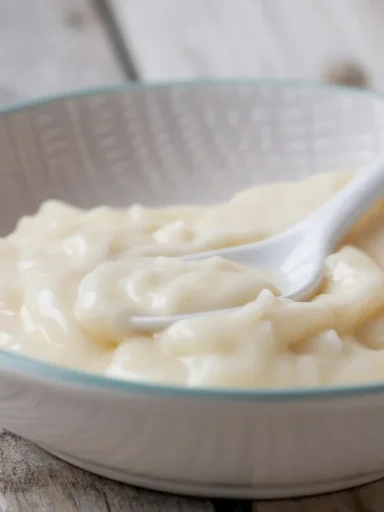
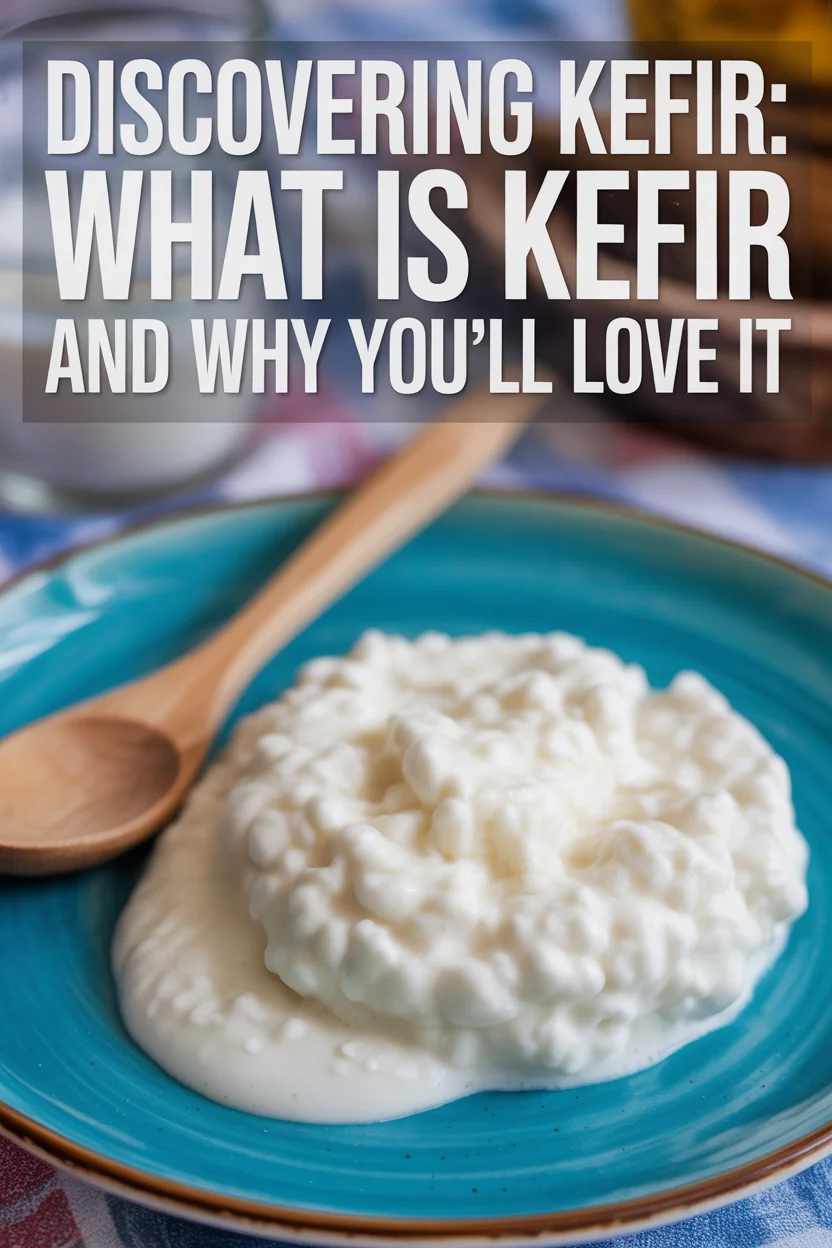
Kefir’s texture isn’t super thick like old-school Greek yogurt (don’t expect to eat it with a fork) and the bubbles are a little surprising—almost like a dairy soda. Sounds odd, but it’s way better than it sounds. Your taste buds might do a double-take when you try it for the first time.
What Is Kefir
Nutrition
Here’s where kefir flexes, big time. This drink is a probiotic powerhouse. It’s packed with all the friendly bacteria your gut dreams about at night (don’t ask how I know). Every glass gives you a legit boost of protein, calcium, B vitamins, and, of course, those all-important probiotics.
Some days, I’ll grab a bottle of kefir before work—quicker than fixing eggs, and my stomach actually stops complaining. Also, if you can’t handle lactose (yup, I get it), most folks can actually digest kefir with zero drama because fermentation breaks down a lot of the sugar.
It’s like the universe felt bad and gave us something creamy and refreshing that doesn’t fight our insides. Chug it plain if you’re in a hurry, or mix in some oats and berries for extra oomph.
“For someone lactose-intolerant, kefir’s really been a blessing. It’s gentle and doesn’t leave me cranky—I feel good all morning.” — Mark, blog subscriber
What Is Kefir
Production
So, how does kefir actually get made, outside of your own kitchen science experiment? Well, at home, you just plop the grains in milk, let it sit at room temperature, and strain it off the next day. A factory setup’s just bigger and fancier, but it’s basically the same process. Small-scale makers might still use the old tradition of reusing grains, while big brands focus on controlling temperature and making every batch safely.
You know what? The best kefir I’ve ever tasted was homemade from my cousin’s starter grains (she mailed them in a sandwich bag, I swear). If you buy kefir at the store, check labels for “live and active cultures”—that’s what you want. The kefir you make at home is sometimes tangier and has more personality (that’s my honest opinion).
Oh, another cool fact: there’s water kefir too, made with sugary water instead of milk. It’s dairy-free, fizzy, and kind of like a grown-up soda for people who pretend to be healthy.
What Is Kefir
Culinary
This is the zone where kefir honestly shines. Like, breakfast, lunch, dinner—kefir fits in everywhere. It tastes awesome straight from the glass, but it’s also a ready-to-go ingredient for a heap of recipes.
- Splash it over cold cereal instead of milk for a zingy start.
- Shake it into salad dressings for a “whoa, what’s that flavor?” moment.
- Puree it with fruit in smoothies (my banana-berry kefir smoothie is freaky good).
- Marvel at how it softens pancakes and muffins if you swap it for buttermilk.
Sometimes, I’ll even drizzle it over spicy food as a cooling dip. No need to be fancy—just pour and enjoy. If you want a serious breakfast hack, check this killer idea for delicious vanilla blueberry kefir overnight oats. It’s life-changing for busy mornings, I swear.
What Is Kefir
You probably won’t believe until you try it, but even my picky niece stopped mid-chew and asked, “What did you put in this?”
Looking back, kefir went from being some mysterious “sour milk” to my go-to for quick, healthy meals and snacks. Once you figure out What Is Kefir and how effortless it is to add into daily life, I promise you’ll get why folks around the globe rave about it.
If you want the nitty-gritty details, the Mayo Clinic Minute: What is kefir? breaks it down perfectly—super trustworthy source! Give kefir a shot—it might just earn a five-star spot in your fridge. For even more ideas, peep these rad breakfast recipes and stick around for more kitchen adventures!
What Is Kefir
Print
Kefir: The Probiotic Drink
- Total Time: 1445 minutes
- Yield: 4 servings
- Diet: Vegetarian
Description
Discover kefir, the ancient probiotic drink that enhances gut health and adds zest to your meals. Perfect for breakfast, lunch, or dinner.
Ingredients
- Kefir grains
- Milk
- Fruits (optional)
- Oats (optional)
Instructions
- Place kefir grains in a mason jar.
- Add milk to the jar.
- Cover and let sit at room temperature for 24 hours.
- Strain to remove grains and enjoy the kefir drink.
- Mix with fruits or oats for added flavor if desired.
Notes
Check for ‘live and active cultures’ when buying store-bought kefir.
- Prep Time: 5 minutes
- Cook Time: 1440 minutes
- Category: Beverage
- Method: Fermentation
- Cuisine: Caucasian
Nutrition
- Serving Size: 1 cup
- Calories: 100
- Sugar: 10g
- Sodium: 150mg
- Fat: 5g
- Saturated Fat: 3g
- Unsaturated Fat: 2g
- Trans Fat: 0g
- Carbohydrates: 8g
- Fiber: 1g
- Protein: 6g
- Cholesterol: 20mg