 Chef Yous
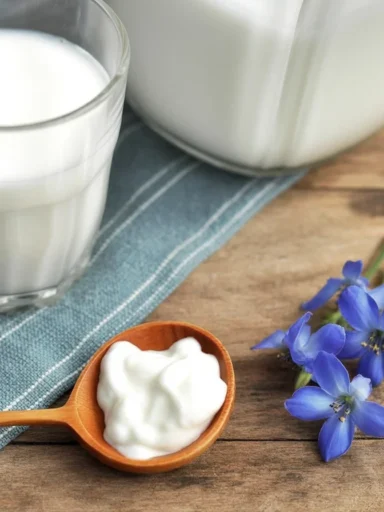
So, where is kefir originally from? I know, you’ve probably wondered this at least once, standing by the fridge in the yogurt aisle thinking about what on earth makes kefir so special compared to, say, regular ol’ yogurt.
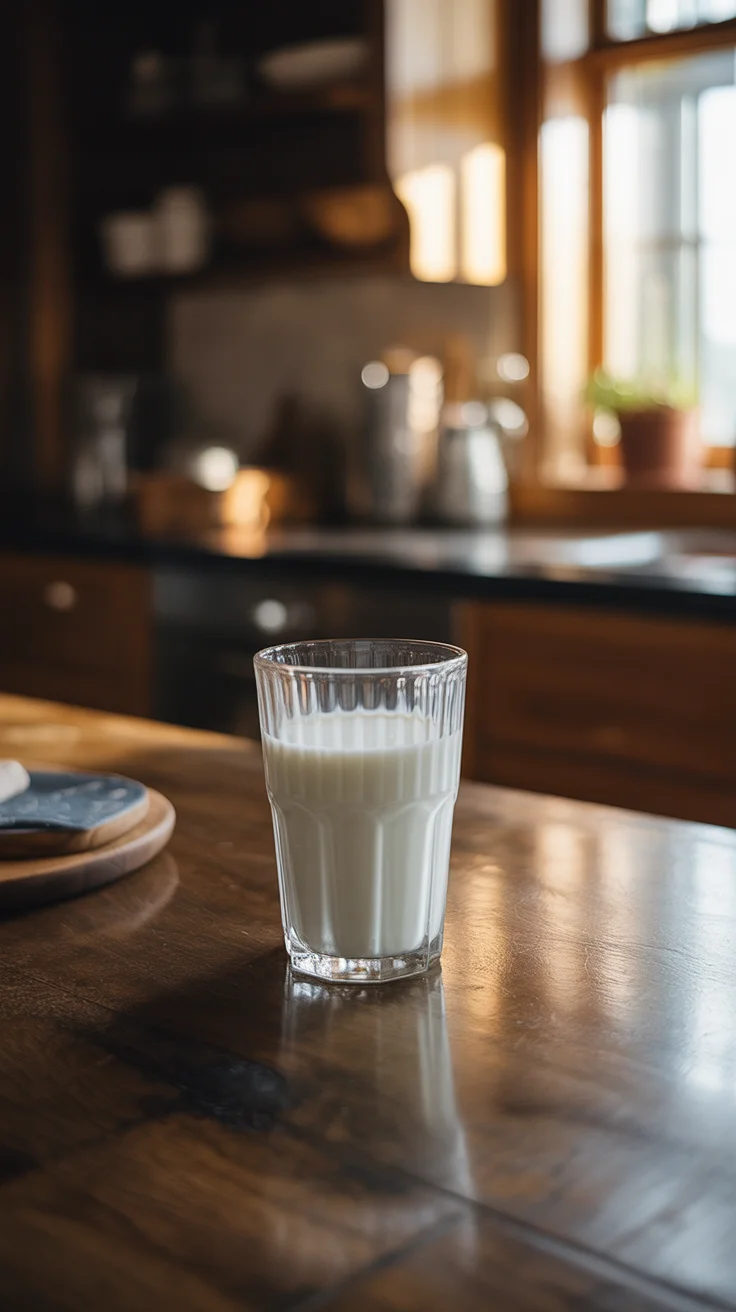
I sure did! Actually, the answer might surprise you: kefir started out in the rugged, chilly mountains of the Caucasus. That’s somewhere between Europe and Asia, a place most of us would need a map to find, honestly. Curious about how to actually use it day to day? Well, check out these 11 ways to use kefir and get inspired to test it out in your own kitchen.
Origin and etymology
The story behind kefir’s origins is pretty wild. People say that folks in the Northern Caucasus mountains have been making the stuff for hundreds (maybe even thousands) of years. Tradition says shepherds discovered kefir on accident when milk in their leather pouches started to ferment, and surprise… it was delicious. But, here’s the trivia nugget: the word “kefir” probably comes from the Turkish word “keyif,” which means “feeling good.”
Fitting, right? Makes sense considering how many people swear by it for their gut health and overall vibe. And what I find fascinating (seriously) is how closely kefir’s history ties to big family rituals — sharing grains, passing down recipes, even superstitions that the grains held secret powers.
It’s one of those humble, mysterious foods you’d almost miss if you weren’t paying attention. But once you learn a bit, you wanna tell everyone at the next potluck. There’s just something old-world cozy about it, like you’re drinking history in a glass.
“I tried kefir after hearing about its roots from my granny. Never expected it to taste so tangy… Made me feel weirdly connected to my ancestors!” — Jamie L.
Where is kefir originally from
Fermentation and kefir grain formation
Okay, here’s the piece that trips up a lot of people — what are kefir grains, anyway? No, they’re not actual grains like wheat or rice. They’re sorta squishy little blobs, a crazy mix of good bacteria and yeasts that clump together.
People treat them like pets, honestly. I do! When you drop those grains into milk and let it sit out, that’s where the magic happens. The milk transforms, the grains eat up all the lactose, and you’re left with that zingy, ever-so-slightly bubbly drink.
It’s not just a science experiment. The longer you let kefir ferment, the thicker and tangier it gets. Old-school families sometimes keep the same batch of grains alive for decades — passing them to sons, daughters, and even neighbors. Some even claim each family’s grains bring their own taste. Wild, right? You start thinking about all those invisible microbes having a little party in your kitchen. Just me? It’s oddly comforting.
Where is kefir originally from
Nutrition
Let’s be real — you wanna know if kefir’s worth the hype, nutritionally. Short answer: yes, it actually is. Kefir is packed with probiotics, which are those friendly bacteria that your gut practically begs for, especially if you’ve had one too many takeout pizzas.
It also brings protein, B vitamins, calcium, plus a decent dose of vitamin D to the table. Oh, and since kefir grains basically munch down most of the lactose, lots of folks who struggle with milk find kefir super tolerable.
Drinking kefir every morning, I swear, my belly just feels nicer. Placebo? Maybe, but I’ll take it. And, if you’re comforted by numbers, you can expect somewhere around 10-ish different probiotic cultures (more than regular yogurt), depending on the method. I like to joke that it’s basically a super-powered yogurt that actually tastes interesting on its own.
Which brings me to this — if you’re craving breakfast ideas, there are some excellent kefir recipes for breakfast online that level up your mornings.
Where is kefir originally from
Production
Making kefir is both old-fashioned and ridiculously simple. I started with fancy, store-bought versions. Then got brave enough to try fermenting a jar myself. All you need is fresh milk and a spoonful of kefir grains — let it sit on your counter at room temp. That’s really it. The grains do the work.
The weirdest part? It doesn’t even smell bad (unless you push it way too long). Some folks like a quicker ferment for a mild taste. Others go for tangy and fizzy — let it sit 24 hours or more. Strain the grains, pop your kefir in the fridge, and boom, you’re good. Actually, I find the hands-off approach fits my style… lazy but effective. Pro tip: always use clean utensils or the grains get mad (they can die fast if you’re careless). Blunt but true!
If you get obsessed (oops, I did), you can try making kefir with coconut or sheep’s milk, too. No two batches ever turn out exactly the same, which honestly keeps things interesting.
Where is kefir originally from
Culinary
Here’s the fun part: what do you even do with kefir, besides drink it cold from a mug? Trust me, it’s more than just a breakfast thing.
Serving Suggestions:
- Splash some kefir in your morning smoothie for a tangy kick.
- Pour it over granola or muesli instead of regular milk.
- Use it as a tenderizing marinade for chicken or fish (it works, promise!).
- Make a creamy kefir salad dressing with a squeeze of lemon and fresh herbs.
Where is kefir originally from
I’ve even dumped a big glug in pancake batter for that punchy taste. My favorite? Blending up a banana-berry kefir smoothie — it’s like a meal and dessert smashed together. Friends are always surprised how versatile it is, especially in sweet or savory dishes. You get this funky, fresh flavor that normal dairy just doesn’t pull off. If you’re feeling experimental (please do), kefir makes killer overnight oats too.
Where is kefir originally from
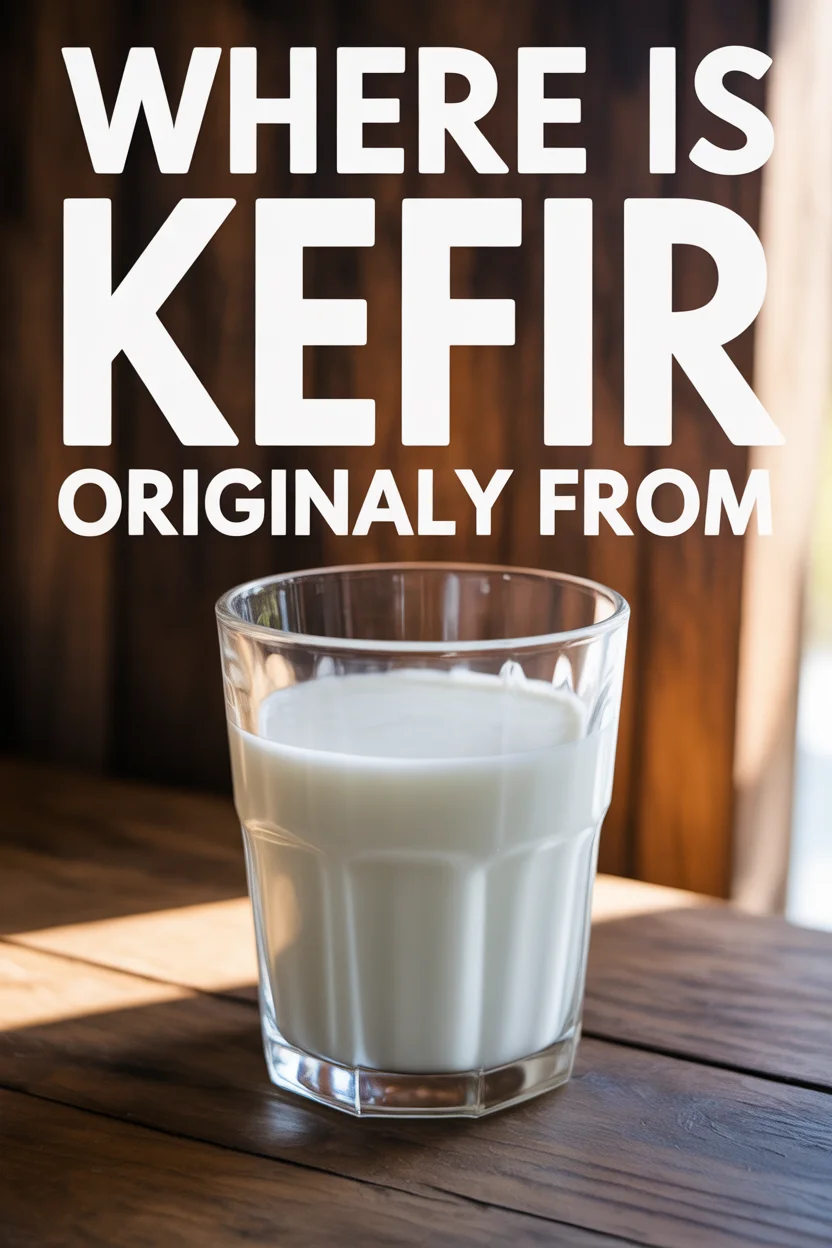
Okay — I’m slightly obsessed with how weirdly cool kefir is. The next time someone hits you with “So, where is kefir originally from?” you’ll know the real story, plus all the tasty possibilities waiting in that fizzy bottle.
If you wanna nerd out even further, give the official scoop at Kefir – Wikipedia a try, or roll up your sleeves and start whisking up those delicious vanilla blueberry kefir overnight oats (trust me, breakfast will never be the same).
Where is kefir originally from
Print
Homemade Kefir
- Total Time: 24 hours 5 minutes
- Yield: 1 cup 1x
- Diet: Vegetarian
Description
A tangy fermented drink packed with probiotics and great for gut health.
Ingredients
- 1 cup fresh milk
- 1 tablespoon kefir grains
Instructions
- Pour the fresh milk into a clean jar.
- Add the kefir grains to the milk.
- Cover the jar with a clean cloth and let it sit at room temperature for 24 hours or more, depending on desired tanginess.
- After fermentation, strain the mixture to remove the grains.
- Store the kefir in the fridge and enjoy!
Notes
Use clean utensils to avoid harming the kefir grains. Experiment with different types of milk for unique flavors.
- Prep Time: 5 minutes
- Cook Time: 24 hours
- Category: Beverage
- Method: Fermentation
- Cuisine: Caucasian
Nutrition
- Serving Size: 1 cup
- Calories: 100
- Sugar: 8g
- Sodium: 90mg
- Fat: 5g
- Saturated Fat: 3g
- Unsaturated Fat: 2g
- Trans Fat: 0g
- Carbohydrates: 8g
- Fiber: 0g
- Protein: 6g
- Cholesterol: 20mg