 Chef Yous
Ever gotten lost in the Water kefir vs milk kefir origin debate, only to just… end up grabbing some boring yogurt at the store because, honestly, what even is kefir? (Okay, I’ve been there too. Multiple times.) People always shout about “probiotics” or “fermented goodness,” but zero people tell you where it actually came from or what to do with it.
Water kefir vs milk kefir origin
Plus, what’s the difference? Water kefir vs milk kefir origin, it’s not just something fancy you find in health food aisles—there’s actual history, and it’s kinda wild. If you’ve ever tried to make sense of the types, benefits, or how-tos, or you want a simple way to use kefir (yep, even in breakfast pancakes), you might want to check out these fluffiest kefir pancakes. Now, let’s make all this kefir stuff less of a mystery.
Water kefir vs milk kefir origin
What is Kefir?
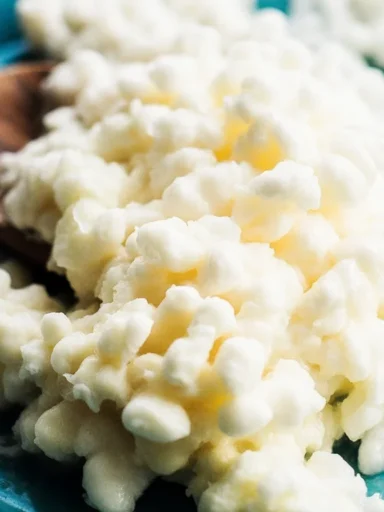
Okay, so kefir is basically a tangy, slightly fizzy fermented drink that comes in two main types—milk and water. It’s made with these wild, jelly-like “grains” that look straight out of a mad scientist movie. Kefir grains aren’t grains like wheat, by the way, but clusters of yeast and bacteria that work together to ferment either milk or sugar water.
If you’re picturing store bought kefir, don’t. Homemade tastes so much brighter! And way less fake. People often talk about kefir as an ancient tradition, and it’s not wrong.
This stuff’s been around for centuries, starting in cool places like the Caucasus mountains (imagine snowy peaks, goats, shepherds—you get the vibe). Water kefir’s backstory? Not quite as dramatic, but it popped up later, probably South America-ish, using sweet water stuff rather than dairy. They’re both all about natural fermentation, but their roots are definitely not twins.
Fun fact, too—each batch you make tastes a little different. Sometimes tangy, sometimes gentle, but always weirdly addictive.
“I tried kefir for the first time because my stomach just never feels okay, and I’ll be honest—this stuff tasted odd at first. Now I make it every week. Coffee who?”
—Lisa G., reader
Water kefir vs milk kefir origin
Milk Kefir vs. Water Kefir
Alright, here’s where folks get tripped up. Milk kefir and water kefir look similar when you search ‘em, but they’re not the same at all. Here’s the big split: milk kefir is made by dropping those living “grains” into animal milk. It gets creamy and a bit tart, kinda like a pourable yogurt, but smoother.
Water kefir? It’s dairy-free. Instead of milk, you use sugar water or sometimes coconut water. When you introduce the water kefir grains, the magic happens—sugar gets chomped up and you end up with this bubbly, subtle drink that reminds people of lemonade or natural soda. Perfect for folks who can’t handle dairy or just want something different.
Here’s what trips me up sometimes: they use different grains. (Yeah, two types!) Milk kefir grains are like soft cauliflower, while water kefir grains look like clear gummy bears. Not interchangeable, I promise—I made that mistake once and got a science experiment nobody should ever try.
Their uses? Milk kefir’s amazing in smoothies or even baking (I have a wild obsession with turning it into pancakes). Water kefir is fantastic for gut health, especially if milk isn’t your friend. And you can always float in fruit for flair.
Water kefir vs milk kefir origin
Fermentation and Kefir Grain Formation
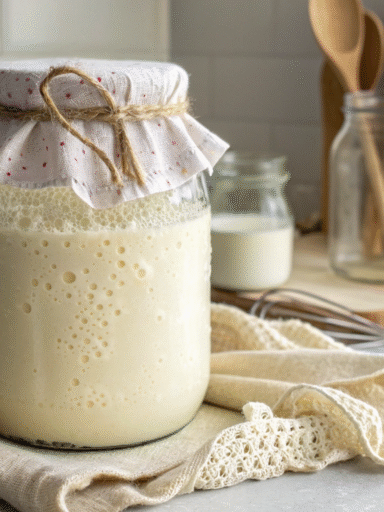
Truth time: fermentation sounds complicated, but it’s just letting those grains hang out in your chosen liquid for a couple days. The real trick is that the “grains” are alive—a bunch of good bacteria and yeasts—so it’s like running a friendly tiny ecosystem in your kitchen. They basically chow through the milk sugars or the sugar water and bubble up with healthy acids.
Milk kefir grains have a chunky, creamy appearance and stick together, almost like blobs of cooked rice. Water kefir grains are more translucent and break apart easily. If you mix them up? The process doesn’t really work. My cousin did once—let’s not talk about that sad, slimy mess.
The origin of the grains? Milk kefir grains are super old, passed down through families in the Caucasus region. People would drop grains in milk bags and let ‘em do their magic. Water kefir grains don’t have that exact story, but were found on sugarcane—a plant, not an animal! Both grains multiply if you use them right, so you end up with more than you started. It’s a little kitchen miracle.
Water kefir vs milk kefir origin
Nutrition Benefits of Kefir
So, why even bother making kefir at all? Oh, let me count the ways. First off, both water kefir and milk kefir pack in good bacteria (probiotics) that help your gut chill out. If you ever get those “why did I eat that?” feelings—try this stuff.
Milk kefir, because it’s made from milk, brings protein, calcium, and several vitamins. Handy if you’re lazy about eating greens like I am. It’s kind of known for being easier on your stomach than regular milk, too.
Water kefir doesn’t have the dairy stuff, but it comes with its own superhero qualities. It’s usually lower calorie, lightly sweet, still has probiotics, but dairy-sensitive folks can keep sipping all day. Some people add ginger, lemon, berries—whatever you love—which means bonus vitamins. To be real, after a sweaty summer day, you can’t beat a chilled glass.
If you’re looking to get the most out of kefir, don’t just drink it plain. Stir it into smoothies or your granola bowl; milk kefir even works great in easy recipes like these banana berry kefir smoothies.
Water kefir vs milk kefir origin
Culinary Uses of Kefir
People always act shocked when I say you can cook with kefir. Seriously, though, it’s not just a drink. Try swapping it for buttermilk in almost any recipe—I swear, it’s how you get pancakes that are next-level fluffy or tangy ranch dressing that blows store stuff out of the water.
- Top your oats with it and some fruit (I go wild with blueberries).
- Pour water kefir over ice for a homemade soda.
- Use milk kefir to replace buttermilk in baking (like for tender cakes).
- Blend either into a smoothie for breakfast on chaos days.
And don’t be shy to experiment! Kefir gives recipes a bit of tang and keeps things moist. You’re not gonna make a five-star restaurant dessert your first try, but hey, at least it’ll taste like you care.
Conclusion “Water kefir vs milk kefir origin”
So to wrap this wild kefir ride—water kefir vs milk kefir origin, turns out, is actually a story of old mountains, bizarre science, and a heap of happy stomachs. Not only are there some cool myths and backgrounds, but using and drinking kefir is a low-key way to rock the probiotic trend.
I’ve loved figuring out ways to slip both into my routine (sometimes just to see what bubbles up next). Remember, there’s no right way—experiment, have fun, and definitely grab some inspiration from a comparison of milk kefir and water kefir or peep ScienceDirect for the technical breakdowns.
And if you’re feeling hungry for uses, hit up these easy ways to use kefir for more tips. Let’s be real, if I can do it, you totally can.
Water kefir vs milk kefir origin
Print
Fluffy Kefir Pancakes
- Total Time: 25 minutes
- Yield: 4 servings 1x
- Diet: Vegetarian
Description
Delicious and fluffy pancakes made using kefir for a unique twist on a classic breakfast.
Ingredients
- 1 cup kefir
- 1 cup all-purpose flour
- 1 egg
- 2 tbsp sugar
- 1 tsp baking powder
- 1/2 tsp baking soda
- 1/4 tsp salt
- 2 tbsp melted butter
Instructions
- In a large bowl, combine the kefir, egg, and melted butter.
- In another bowl, mix the flour, sugar, baking powder, baking soda, and salt.
- Gradually add the dry ingredients to the wet ingredients, stirring until just combined.
- Heat a non-stick skillet over medium heat and pour 1/4 cup of batter for each pancake.
- Cook until bubbles form on the surface, then flip and cook until golden brown on the other side.
Notes
For extra flavor, add vanilla extract or spices like cinnamon to the batter. Serve with your favorite toppings like fruit or syrup.
- Prep Time: 10 minutes
- Cook Time: 15 minutes
- Category: Breakfast
- Method: Grilling
- Cuisine: American
Nutrition
- Serving Size: 1 pancake
- Calories: 200
- Sugar: 8g
- Sodium: 250mg
- Fat: 7g
- Saturated Fat: 4g
- Unsaturated Fat: 2g
- Trans Fat: 0g
- Carbohydrates: 29g
- Fiber: 1g
- Protein: 6g
- Cholesterol: 55mg